

Not every white wine is built for the long haul, but the right bottle can surprise you. Acidity, sweetness, phenolic structure, and winemaking choices can give certain whites the stamina to evolve for decades.
This chart highlights the white grape varieties with the strongest aging potential. Use this guide as a starting point for deciding what to stash away and what to pour tonight.
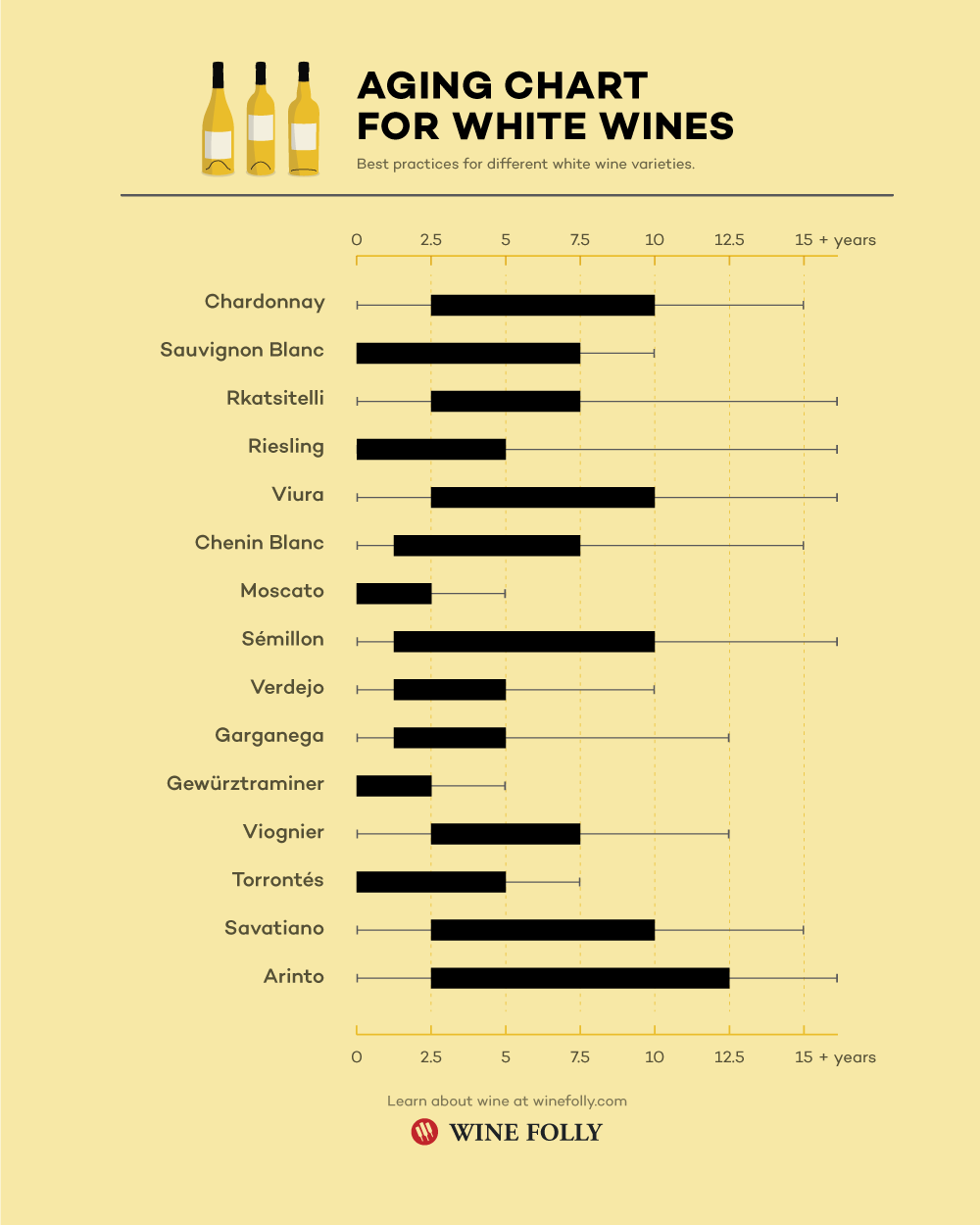
Most white wines don’t age as long as reds because they contain fewer tannins and phenolic compounds, largely due to limited skin contact during fermentation. (Unless they are orange wines!) The simple difference between winemaking methods reduces the amount of tannin in the wine, and thus, reduces white wine aging ranges.
Additionally, some white wines have lower acidity. Acidity slows many of the chemical reactions responsible for a wine’s evolution, helping preserve freshness over time. That’s why acidity is one of the strongest predictors of aging potential.
White Wines That Age Well
- Chardonnay: This is one of the world’s classic age-worthy whites. Chardonnay owes its longevity to a combination of higher acidity and careful oak aging, which contributes additional structure and phenolic compounds. Look for cooler-climate Chardonnay or producers that publish technical sheets showing a low pH.
- Sémillon: Sémillon blends with Sauvignon Blanc to create the white blend of Bordeaux. Even though Sémillon often tastes broad rather than sharply acidic, it develops remarkable complexity with bottle age.
- Rkatsiteli: One of the world’s oldest grape varieties is also one of its most overlooked cellar candidates. Expect beeswax and nuttiness on the palate with age.
- Riesling: This is Germany’s champion aromatic white that does wonders with time. As it ages, Riesling gradually deepens from pale straw to golden with surprising aromas of petrol (caused by an unique aroma compound called TDN).
- Viura: As the principal grape in White Rioja, young examples show citrus and mineral notes, while bottle age brings honey, roasted nuts, and dried fruit. Viura is a sleeper pick for long-term aging.
- Chenin Blanc: Sweet Loire Chenin can age for decades, while the finest dry examples are also remarkably long-lived. South Africa also produces exceptional age-worthy examples, often at remarkably good prices.
- Savatiano: The most planted white grape in Greece is an incredible variety capable of evolving into beeswax, dried herbs, honey, and toasted nut aromas. These wines are an aging bargain if you can find it.
- Arinto: One of Portugal’s most underrated white grapes, Arinto is made in styles ranging from crisp and youthful to structured and cellar-worthy. The best wines have lean, mineral, and citrus notes that open up into rich, honeyed, beeswax, and melon flavors with time.
Dessert Whites Tend to Age Longer
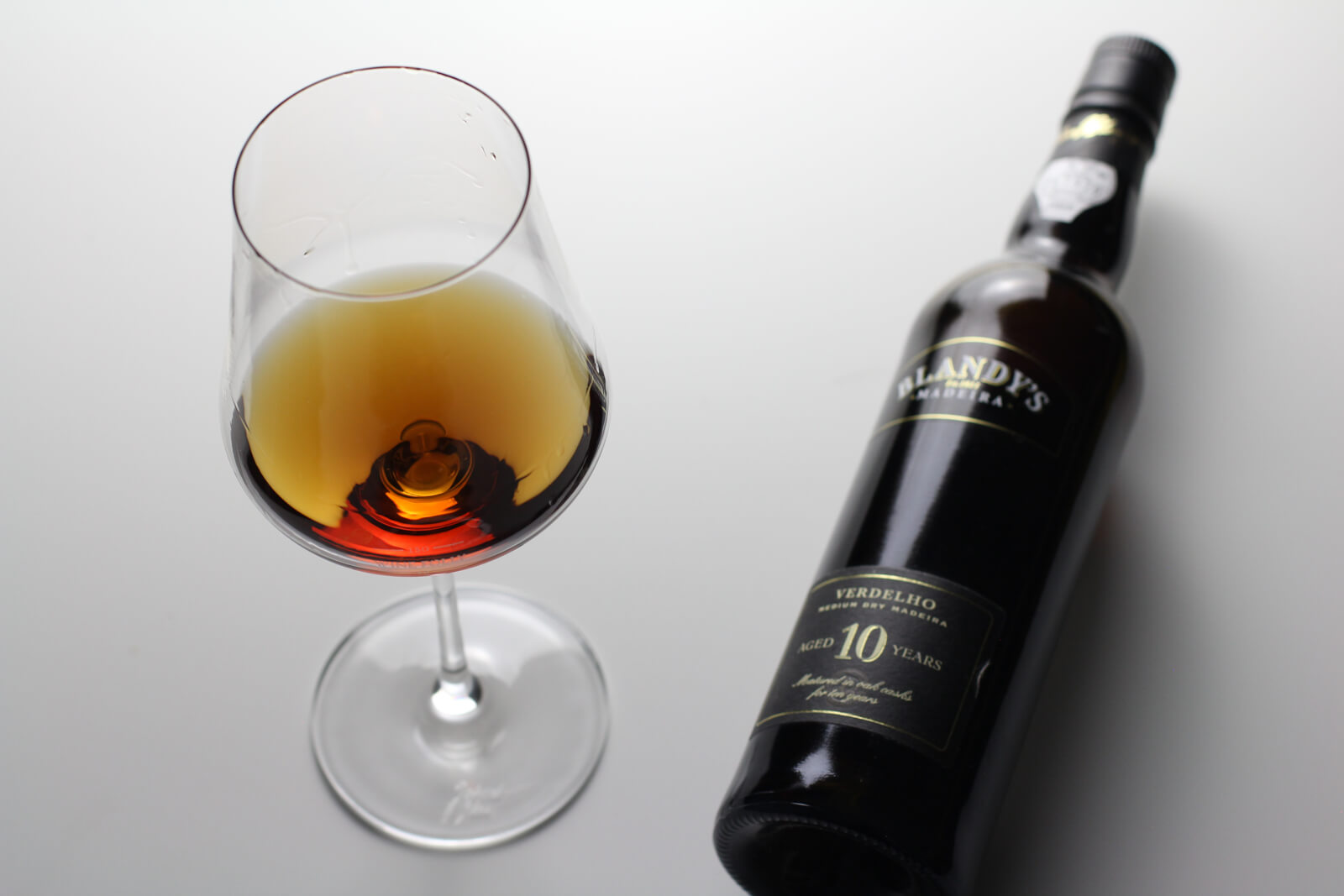
Beyond those still, dry white wines, fortified dessert wines often age even longer! Wines such as Sherry, Madeira, and even some Marsala are already extensively aged before release and can continue developing for decades after bottling.
Additionally, there are several botrytized white wines (such as Sauternes and Riesling) that routinely evolve for decades.
Exceptions to the Rule
Of course, as with all things, there are exceptions to the rule. The best way to identify ageworthy wines is to train your palate to recognize concentration, balance, and structure.
Acidity and tannin are very important for age-ability. Also, sweetness acts as a natural preservative, contributing to a wine’s aging potential. Happy cellaring!