

Orange wine may feel modern, but it’s a glimpse into what wine may have been like thousands of years ago.
What Is Orange Wine?
Orange wine is white wine made with extended contact between the juice and grape skins, and sometimes the seeds, during fermentation. The result can taste more like a light red than a typical white wine, thanks to the tannin and texture extracted from the skins and seeds.
Orange Wine Has a Distinctive Taste and Texture
Most orange wines are dry, with aromas that can range from bruised apple and dried citrus to nuts, sourdough, herbs, and savory spice. Some can get decidedly wild, with notes reminiscent of linseed oil or even wood varnish.
On the palate, orange wines are typically dry, textured, and have tannin, with a refreshing tang that can remind you of sour beer. That combination of natural acidity and tannin makes orange wine surprisingly versatile at the table.

The Perfect Pairing with Spicy Asian and Indian Cuisine
Orange wine can handle big flavors, especially dishes with spice, fermentation, herbs, and umami. That makes them useful with foods that can be tricky for other wines, particularly spicy and fermented dishes.
Tannin and acidity give orange wines enough structure for richly spiced curries and other Indian dishes.
Their tangy acidity also works nicely with fermented foods, from kimchi to Japanese nattō.
Orange wine can bridge the gap between many red- and white-wine pairings, working with everything from grilled fish to roast chicken and beef.
You’ll also see orange wine described as “amber wine.” In Friuli-Venezia Giulia, ramato is a more specific term for copper-colored, skin-contact Pinot Grigio.
Orange Wines Have Ancient Roots
Orange winemaking hails from ancient traditions. We can find these techniques used as far back as 5,000 years ago in what is now Georgia (the country, not the state).
Since we now know that Georgia and the greater Caucasus region are the original birthplace of wine and winemaking, orange wines offer a unique window into ancient wine.
Unique Flavors Come From How Orange Wine is Made
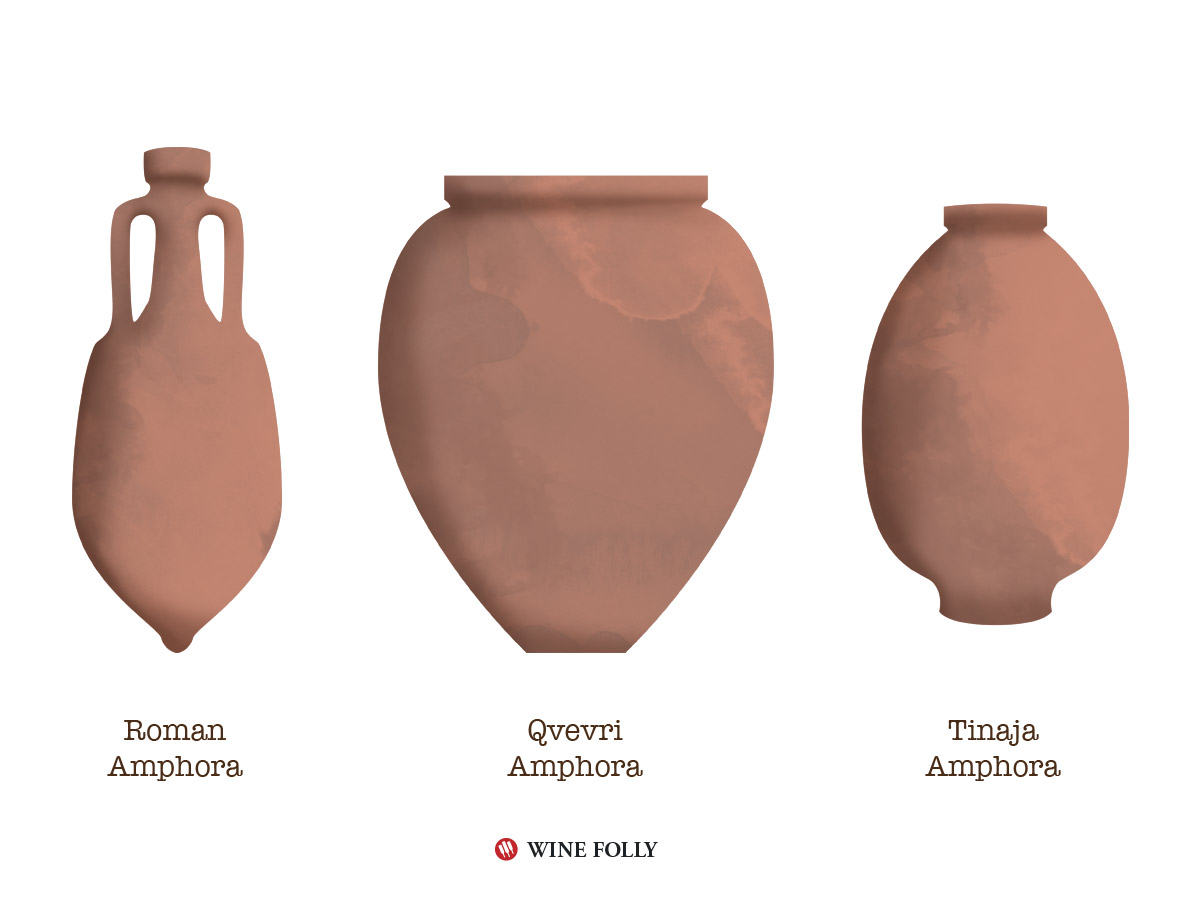
In Georgia, one of the oldest traditions of making skin-contact white wine involves fermenting grapes in large buried earthenware vessels called qvevri (“kev-ree”). Traditionally, there are no added additives or cultured yeast; fermentation relies on naturally occurring microorganisms.
Extended skin contact and oxygen exposure can contribute to the development of bruised-apple, honeyed and nutty aromas.
After aging, qvevri wines emerge with colors ranging from deep gold to amber and tea-like hues. The astringent tannin comes from skin contact during fermentation.

Preferred Grapes
While you can find orange wine made from any white wine grape from Chardonnay to Pinot Grigio, some white grapes have traditional importance.
- Ribolla Gialla: (ree-bol-luh jah-lah) This white grape grows in Northeastern Italy and Slovenia. Ribolla Gialla wines taste dry with bold, stewed fruit and honey aromas.
- Rkatsiteli: (kat-seh-tel-lee) Found in Georgia and producing more citrus and resinous flavors in wines. Rkatsiteli wines often have a red-amber color.
- Pinot Grigio: Another Italian choice that’s often labeled “ramato”, meaning “auburn”, with a honeyed palate and a rich, red-orange color.
Orange Wines Around The World
Beginning in the 1990s, a modern revival of skin-contact white wines emerged in northeastern Italy, Slovenia and Georgia before spreading to producers around the world. It created a splash worldwide and now, they’re everywhere! Here are some classic regions and producers to get you started.
Italy
Most orange winemaking happens in northeastern Italy, along the border of Slovenia in Friuli-Venezia Giulia. Here you can find orange wines produced with the indigenous grapes of the region, including Sauvignon Vert (Friulano), Ribolla Gialla, and Pinot Grigio.
The modern revival of extended skin-contact white wines in Italy was strongly associated with winemakers such as Joško Gravner, who began experimenting with Georgian-inspired techniques in the late 1990s.
Example Italian Orange Wine Producers:
- Bressan “Carat” (Friuli-Venezia Giulia)
- Antonio Caggiano “Béchar” (Campania)
- Donati Camillo “Malvasia dell’Emilia” (Emilia Romagna)
- Frank Cornelissen “Munjebel” (Sicily)
- Cos (Sicily)
- Gravner (Friuli-Venezia Giulia)
- Edi Kante (Friuli-Venezia Giulia)
- Angiolino Maule “Sassaia” (Gambellara, Veneto)
- Radikon (Friuli-Venezia Giulia)
- Rinaldini (Emilia Romagna)
- Franco Terpin (Friuli-Venezia Giulia)
- I Vigneri by Salvo Foti (Sicily)
Slovenia
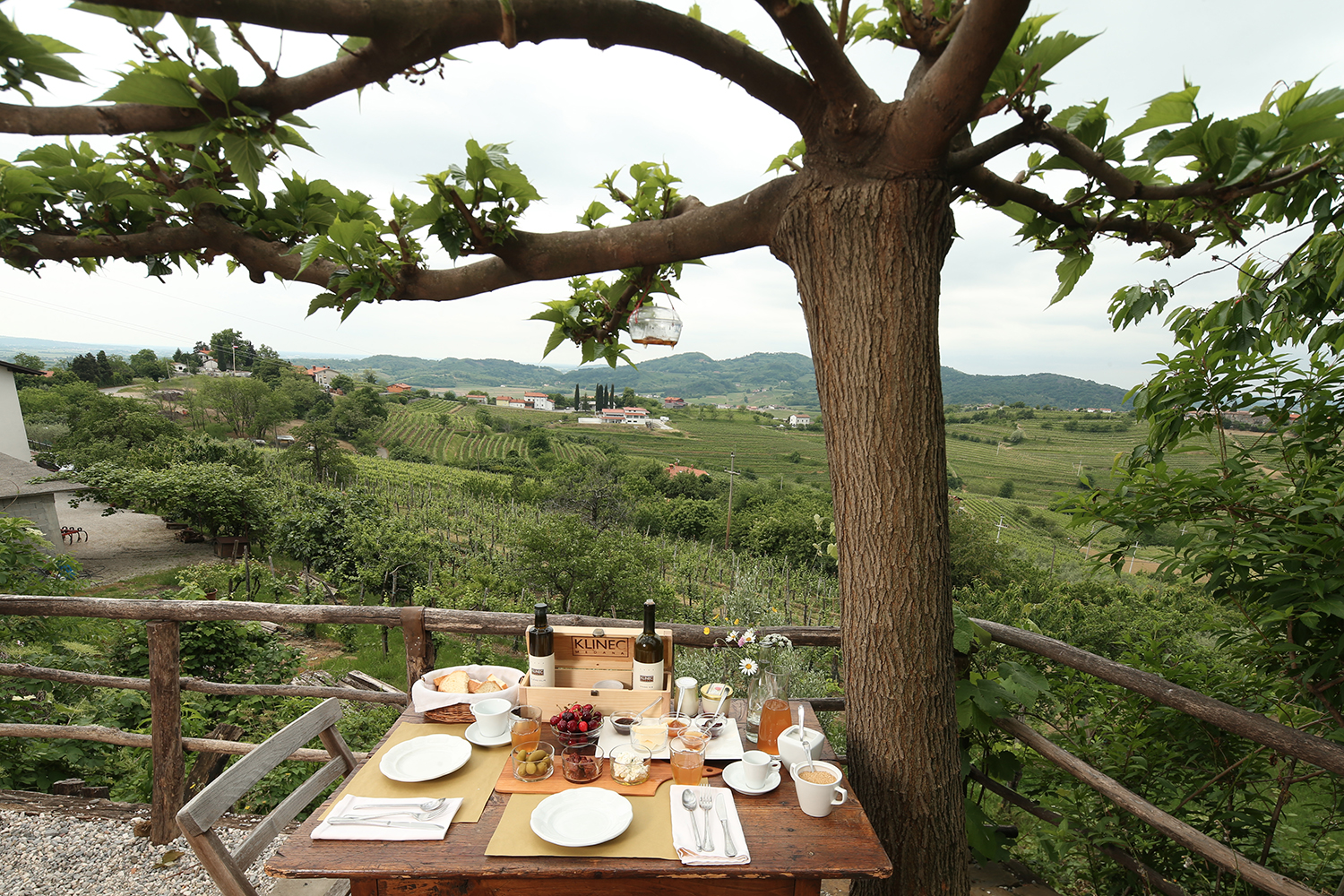
Just across the Italian border, Slovenia’s Goriška Brda (“Gore-eesh-kah Barda”) is another important region for skin-contact wines.
Skin-contact wines have a long tradition in the region, alongside more conventional white and red wines. You’ll also find a distinctive local wine called Motnik, traditionally made in barrels that are smoked with aromatic herbs such as rosemary, bay leaf, and sage. The smoking helps disinfect the barrels and gives the wine a distinctive herbal, smoky character.
Example of Slovenian Orange Wine Producers:

Georgia
Georgia is best known for its traditional qvevri wines. These large clay vessels are among the oldest known winemaking vessels, with archaeological evidence of wine production in Georgia dating to around 6000 BC.
Qvevri are traditionally buried underground, where the surrounding earth helps maintain a relatively stable temperature during fermentation and aging. Extended skin contact can give the wines pronounced tannin, texture, and earthy, savory flavors, while aging can add further complexity.
Rkatsiteli (“kat-seh-telly”) is one of Georgia’s most important varieties for qvevri-made skin-contact wines. The grape can produce deeply colored wines with amber, copper, and red-orange hues.
Example Georgian Orange Wine Producers:
- Pheasant’s Tears
- Alaverdi Monastery “Gurjaani” in Kakheti
- Our Wine in Kakheti
- Tbilvino “Quevris”
- Lagvinari “Goruli Mtsvane,” “Tsolikouri” and “Tsitska”
United States
U.S. producers have embraced skin-contact winemaking, particularly in New York, where Rkatsiteli (“kat-seh-tel-lee”) is well suited to the region’s cool climate and is used in both natural and conventionally made wines.
Example United States Orange Wine Producers:
- Channing Daughters “Meditazione,” “Ribolla Gialla” and “Ramato” (New York)
- Pax Mahle
- Red Hook Winery “SK” series (New York)
- Salinia
- Scholium Project by Abe Schoener (Suisun Valley, California)
- Shinn Estate Vineyards “Veil” by Anthony Nappa (New York)
- Wind Gap Wines “Pinot Gris”
Australia
Australian producers are increasingly experimenting with orange wines, particularly using Sauvignon Blanc, which works wonders in this style.
Example Australian Orange Wine Producers:
- BK Wines “Skin and Bones White” (Adelaide Hills)
- Born & Raised Wines Sauvignon Blanc (Victoria)
- Lucy Margaux Vineyards (Adelaide Hills)
- Patrick Sullivan
France
In France, the Jura is known for its golden-hued, oxidative wines and Comté cheese. The region’s signature Vin Jaune is made from Savagnin and aged under a layer of yeast, giving it distinctive nutty, savory flavors.
The Côtes du Jura appellation covers a broader range of wines, including both oxidative and non-oxidative styles made from several permitted grape varieties. While these wines can resemble orange wine in color and flavor, they’re made differently: orange wines ferment with extended skin contact, while Vin Jaune is made from pressed grapes and develops its oxidative character during aging.
Example French Orange Wines:
- Vin Jaune (Jura)
- Côtes du Jura (Jura)
- Chateau-Chalon (Jura)
- Gérard Bertrand “Orange Gold” Southern France
- Jean-Yves Peron (Savoie)
- La Sorga (Languedoc Roussillon)
- Domaine Gauby “La Roque White” (Côtes Catalanes)

South Africa
South Africa’s Swartland region in the Western Cape is home to many producers experimenting with skin-contact wines, along with old vineyards planted to lesser-known grape varieties.
Example South African Orange Wine Producers:
- Intellego “Elementis”
- Lammershoek “Cellar Foot” Series
- Sadie Family Wines “Palladius”
- Testalonga “El Bandito”
Austria
Just north of Friuli-Venezia Giulia, Austria has become another center for experimentation with orange wines.
Example Austrian Orange Wine Producers:
- Strohmeier (Steiermark)
- Werlitsch “Amphorenwein” and “Werlitsch” (Steiermark)
- Maria & Sepp Muster “Gräfin” and “Erde” (Steiermark)