

The nine styles of wine are your roadmap to tasting like a pro. From crisp, zesty whites to bold, tannic reds, each style teaches you how to recognize body, flavor, and aroma.
Sample one wine from each category and you’ll start connecting regions, grapes, and winemaking techniques in a way that makes every bottle more understandable.
By the end, tasting wine won’t feel random; it will feel like discovery.
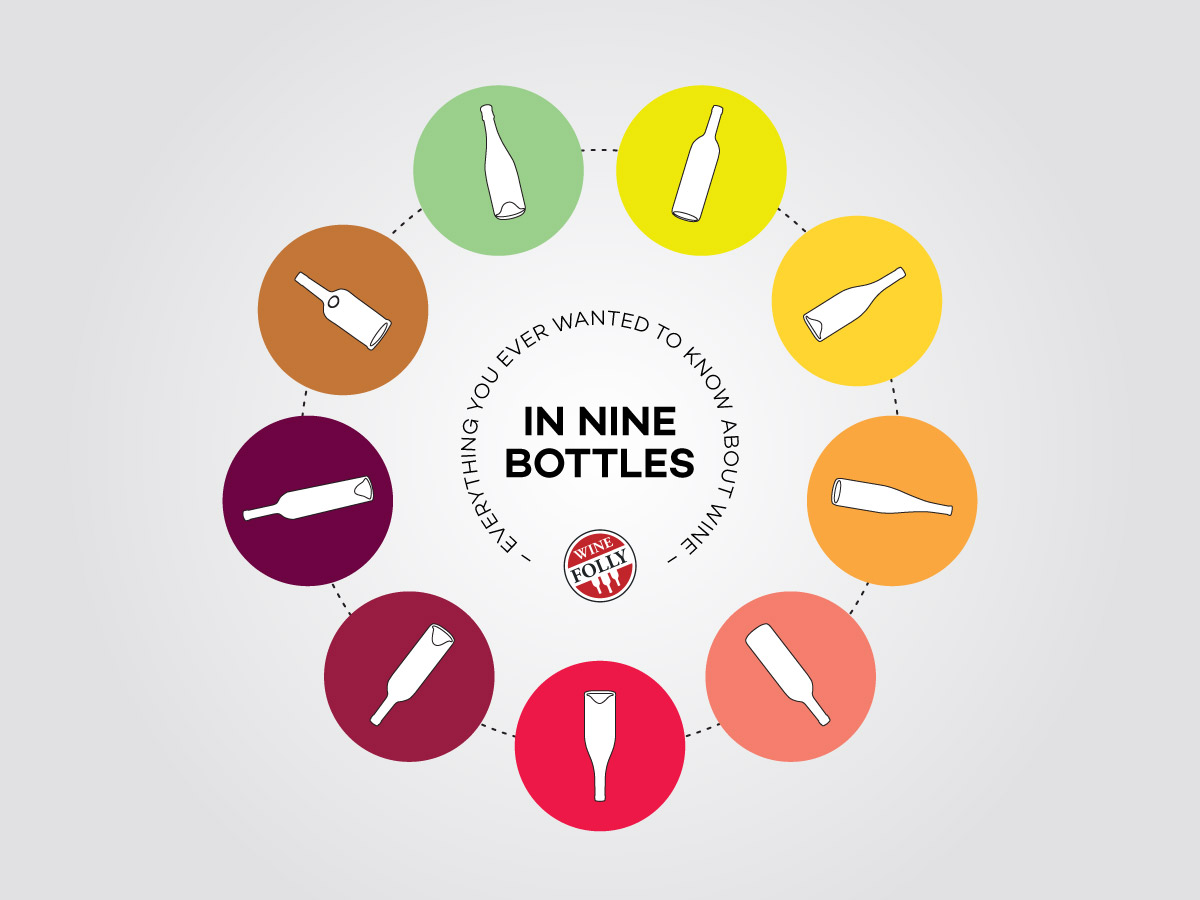
The 9 Styles of Wine
Some Back Story…
I first became obsessed with wine at 22, slouched in a thrifted chair with a glass in hand. That first sip revealed flavors beyond simple fruit. Suddenly, wine became fascinating.
My dad bought me a wine subscription, and for someone like me, it was precious!
In fact, the wine subscription became the highlight of my month: dinner with my best friend Justin and a bottle of wine. That particular night, I tasted my first-ever Côtes du Rhône, and it smelled like black olives.
This was the first time I can remember really tasting more than fruit in a wine. The problem? I had no idea what to explore next.
The 9 Styles of Wine
Despite wine’s diversity, most wines fall into nine major styles. Taste one wine from each category, and you’ll quickly understand wine’s structure.
It’s important to note that there are many nuances and subtle differences (and a few exceptions). That being said, if you’re just getting started, this is a great way to do it.
Consider it a homework assignment.
Taste a wine from the nine different styles over the next month and a half…(or so) and take good notes.
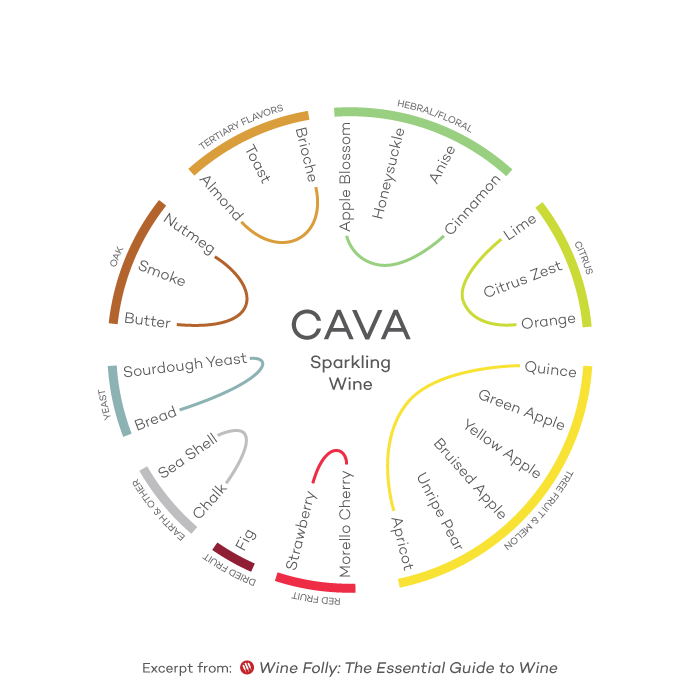
Sparkling Wine
Background
If you already love sparkling wine, give yourself a pat on the back for your exquisite taste. Originating in France, sparkling wine is synonymous with the Champagne region. Despite the lowly appeal of many grocery store options, sparkling wines are among the most technically demanding wines to produce.
What to Try
Champagne is often too price restrictive. Today, excellent sparkling wines come from Spain, Italy, England, the U.S., and beyond. Keep your eyes peeled for Brut-style sparklers (i.e. not sweet) like Cava, Prosecco, Crémant or perhaps a $12–16 American bubbly.
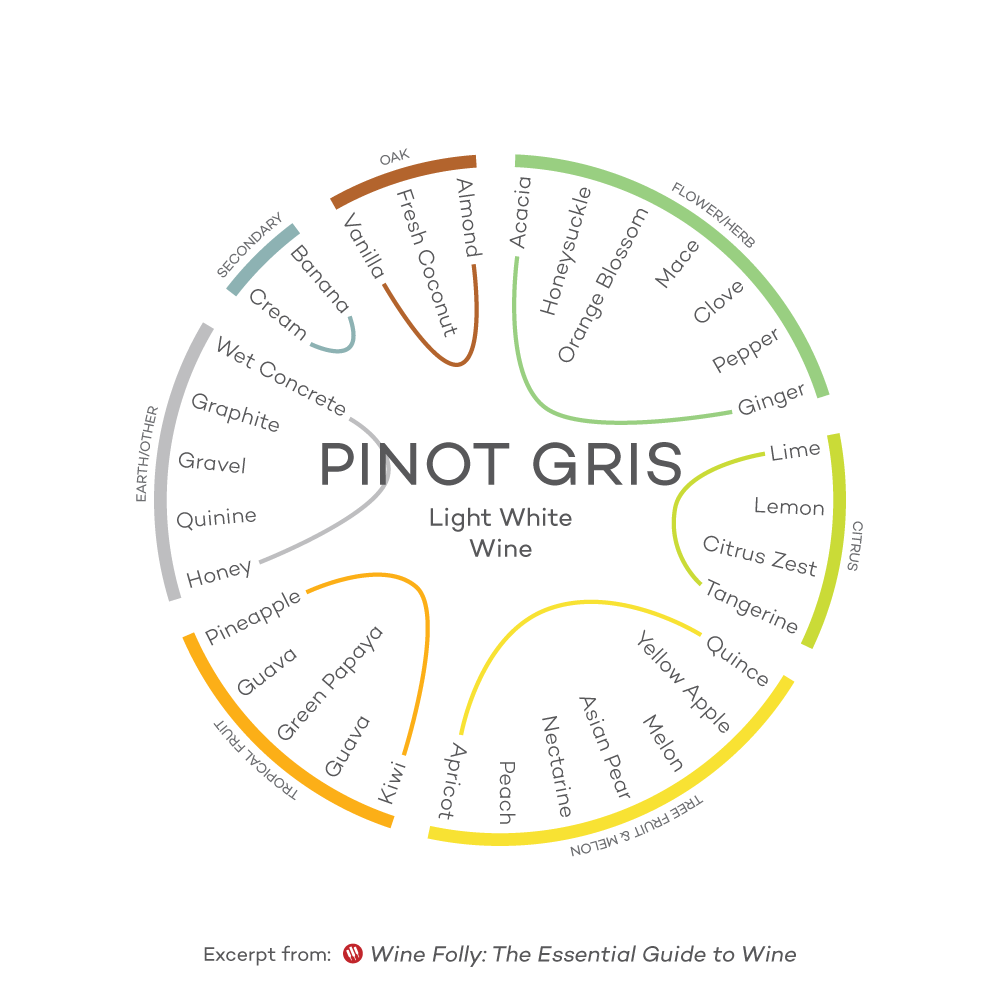
Light-Bodied White Wine
Background
These light, easy-drinking dry white wines are some of the best-selling wines in the world (even if red wines get more attention). Light whites are some of the most versatile food wines. Some of these wines are perfect for savory lovers (like Sauvignon Blanc and Grüner Veltliner), with green herbal flavors of gooseberry and bell pepper.
What to Try
Wines that fit into this category include Pinot Gris (aka Pinot Grigio) and Sauvignon Blanc, as well as many lesser-known wines like Albariño and Soave (“swah-vay”). Look for cool-climate regions, where slower ripening preserves acidity.
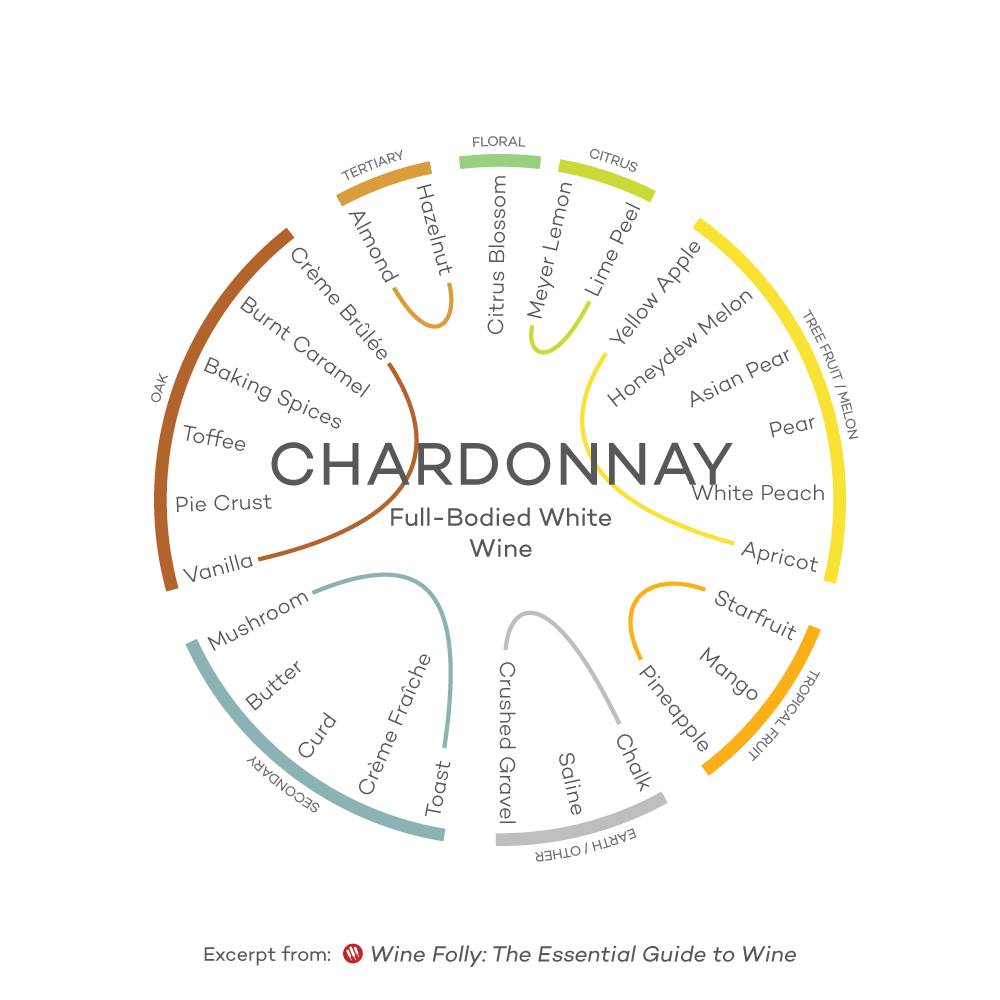
Full-Bodied White Wine
Background
Full-bodied white wines are perfect for red wine lovers because of their rich, smooth taste with subtle creaminess. Winemakers often create a fuller body using techniques such as oak aging (which adds texture, spice, and richness) and lees contact.
What to Try
The classic choice for this wine is Chardonnay, particularly versions from a warmer climate (like California, Spain, or Italy). Besides Chardonnay, another great option in this style is Viognier.
Aromatic (sweet) White Wine
Background
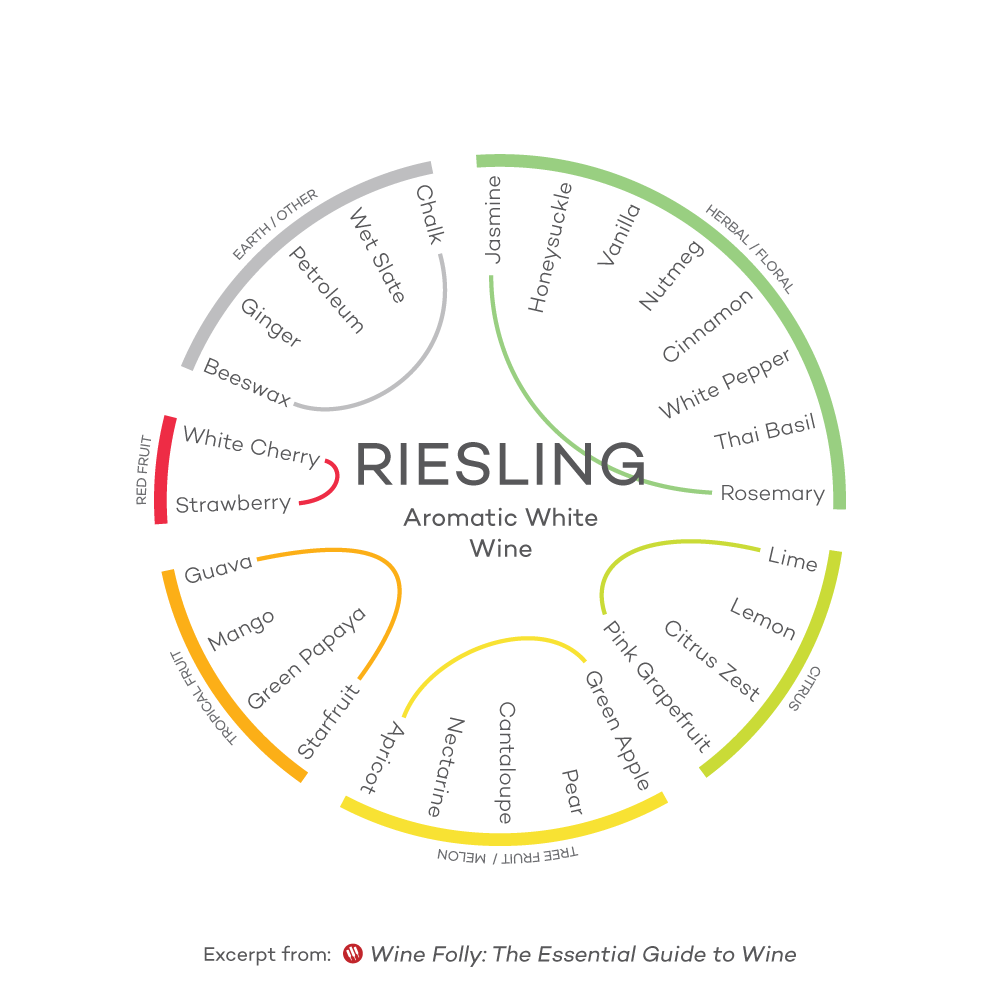
Aromatic grapes rank among the oldest cultivated wine varieties. In fact, Cleopatra is noted for her love of Muscat of Alexandria from Greece – a lovely, rich aromatic white wine. They have intensely perfumed aromas that spring out of the glass into your nose. Even when dry, these wines often smell sweet because of their powerful aromatics.
What to Try
There are many great aromatic wines to try, and most are shockingly affordable. A few examples of these include Moscato d’Asti, Gewürztraminer, Torrontés (great if you like a drier style), and Riesling.
Rosé Wine
Background
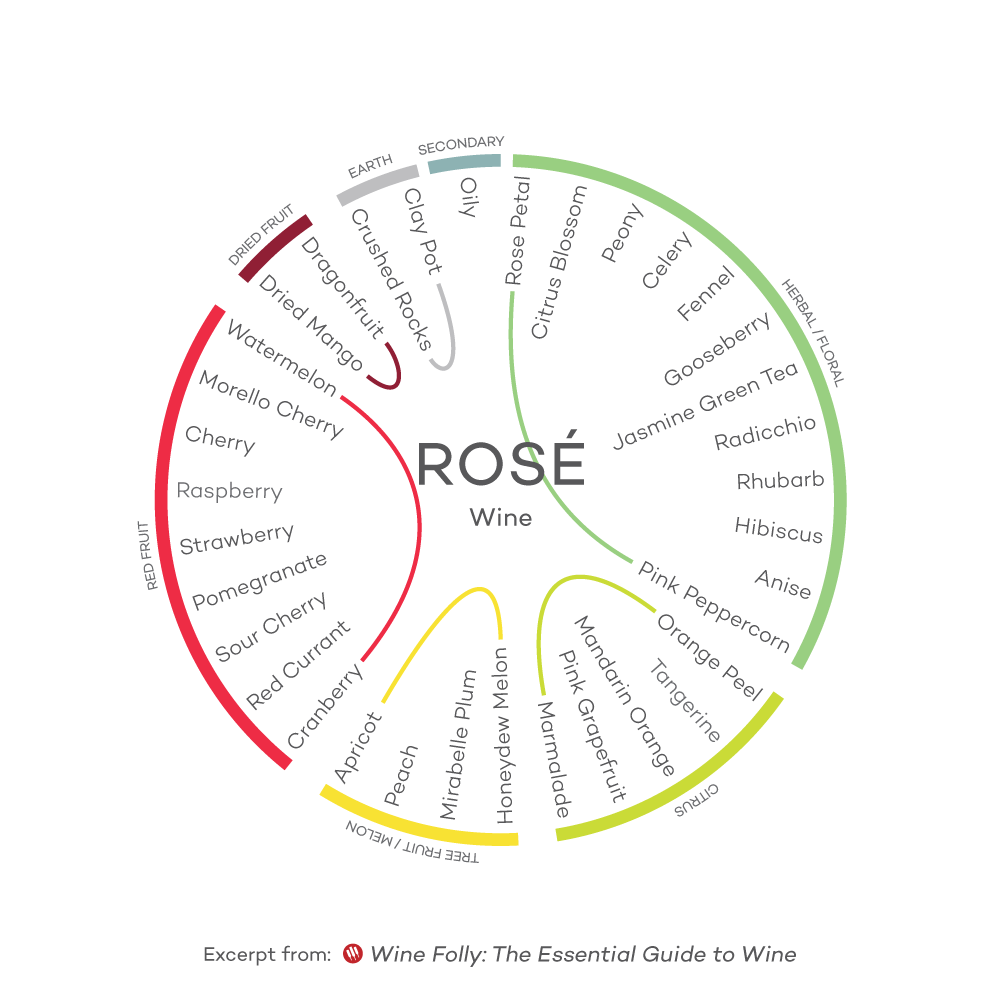
Rosé is made by briefly macerating red grape skins with juice, extracting just enough color and flavor for a delicate, pale wine.
Rosé wines gained popularity in the late 1700s when pale red Bordeaux — called “Claret” from the French clairet — was imported to England.
Today, rosé is made worldwide in styles ranging from bone-dry to sweet and made from many different grapes, from Cabernet Sauvignon to Zinfandel (known commonly as White Zinfandel).
What to Try
Instead of sweet versions, try a drier style Rosé to taste its subtle, elegant flavors. Some of the most classic versions of dry rosé come from Provence in Southern France and the Pays d’Oc region. The varieties used to make these wines include Grenache, Syrah, Carignan, and Mourvèdre, which are all red wine varieties. Since rosé is made everywhere, perhaps stick to one made with one or several of the aforementioned varieties to experience a classic rosé.
Light-Bodied Red Wine
Background
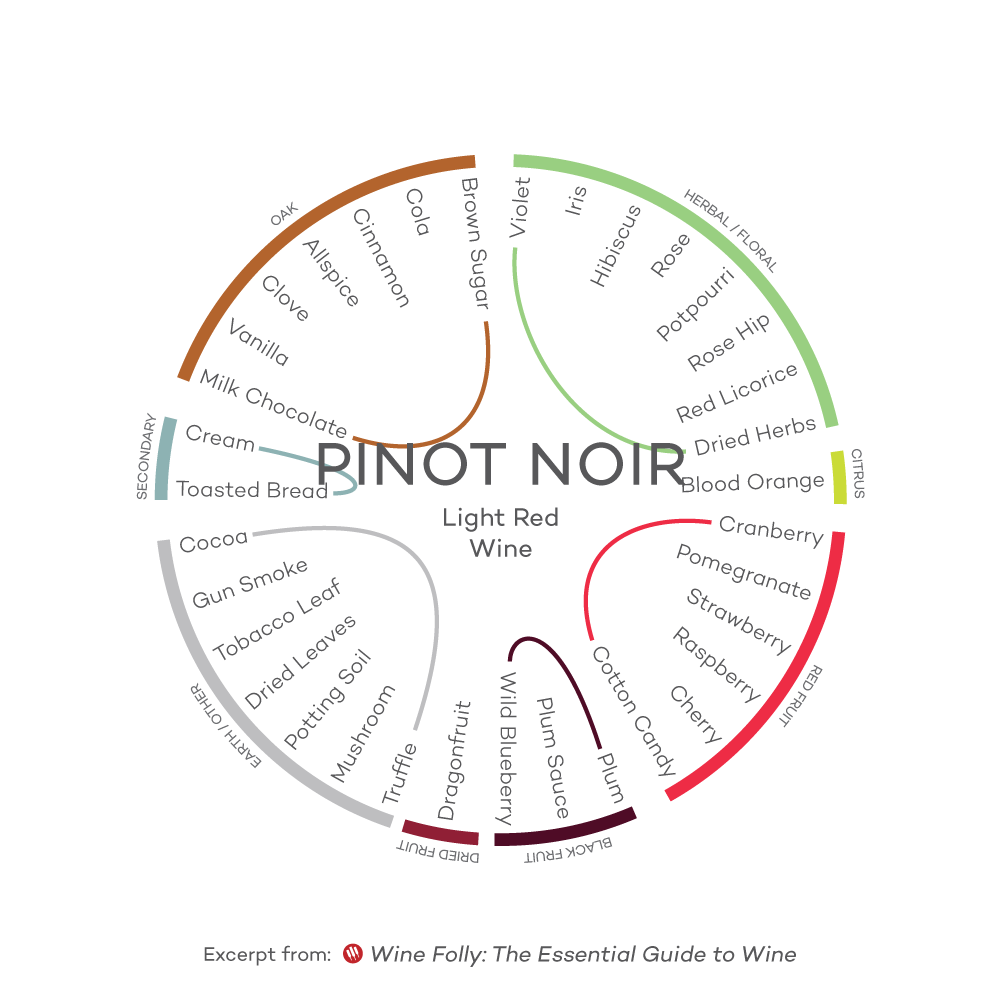
Light-bodied red wines are typically pale and translucent in the glass and have very light tannin. FYI, tannin tastes astringent in wine and dries your mouth out, similar to the drying sensation of strong black tea.
What to Try
The classic light red wine that most people know is Pinot Noir, but besides that, Gamay Noir is another great wine to try in this category. Gamay is most known by the name of a region where it grows called Beaujolais.

Medium-Bodied Red Wine
Background
Medium red wines are classic food wines. They offer up tons of flavor with a balance of zesty acidity, which makes them match with a wide variety of foods (from zesty salads to rich and cheesy lasagna). These are the perfect midweek wines for red wine lovers.
What to Try
There is a wide variety of wines that span the mid-weight red wine category; to name a few familiar ones, check out Grenache, Sangiovese, Merlot, Zinfandel, Montepulciano, Cabernet Franc, and Barbera.
Full-Bodied Red Wine
Background
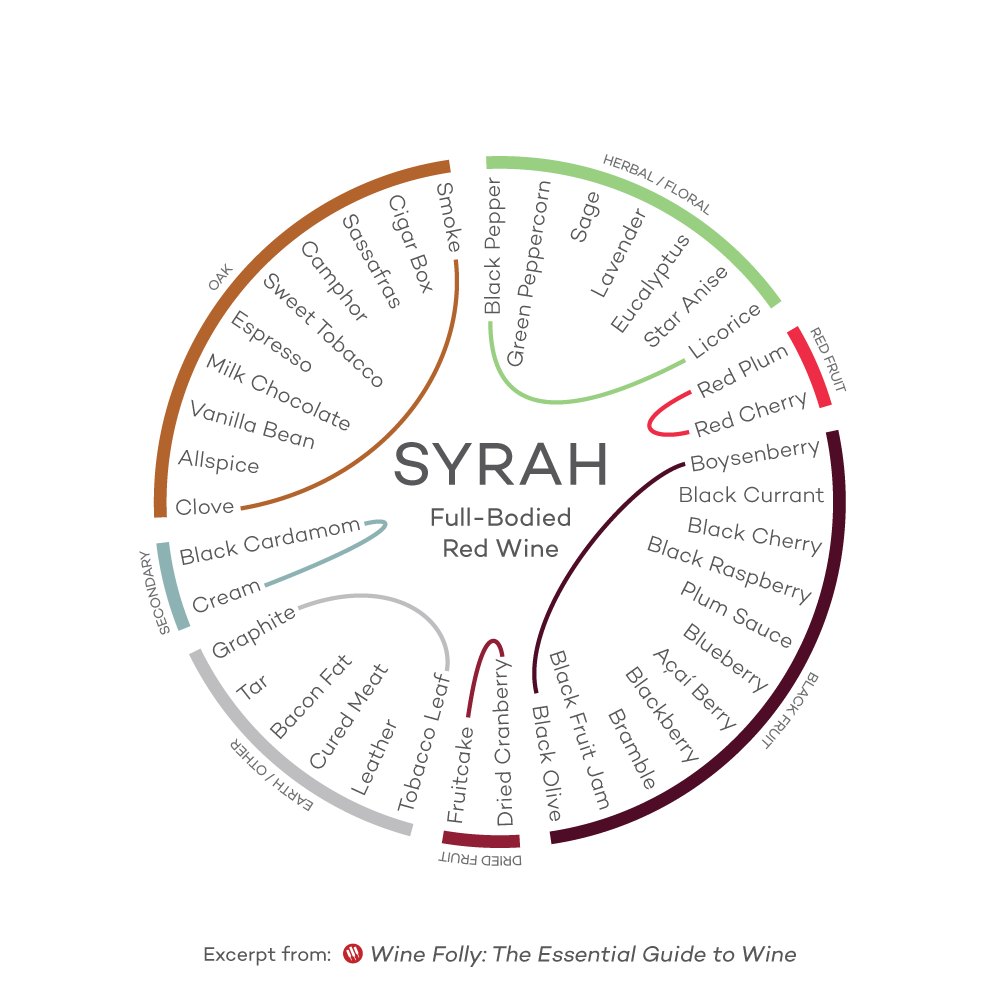
Full-bodied reds are the deepest, darkest, and most tannic wines. While tannin can seem bitter, it binds to saliva proteins, cleansing the palate—making these wines perfect with rich, fatty foods like ribeye. They’re bold enough to enjoy on their own, too.
What to Try
You’ve no doubt tasted one of these wines if you’re a wine lover; they include Syrah/Shiraz, Cabernet Sauvignon, Malbec and even Pinotage. These are perfect examples of how bold a wine can be.
Dessert Wine
Background
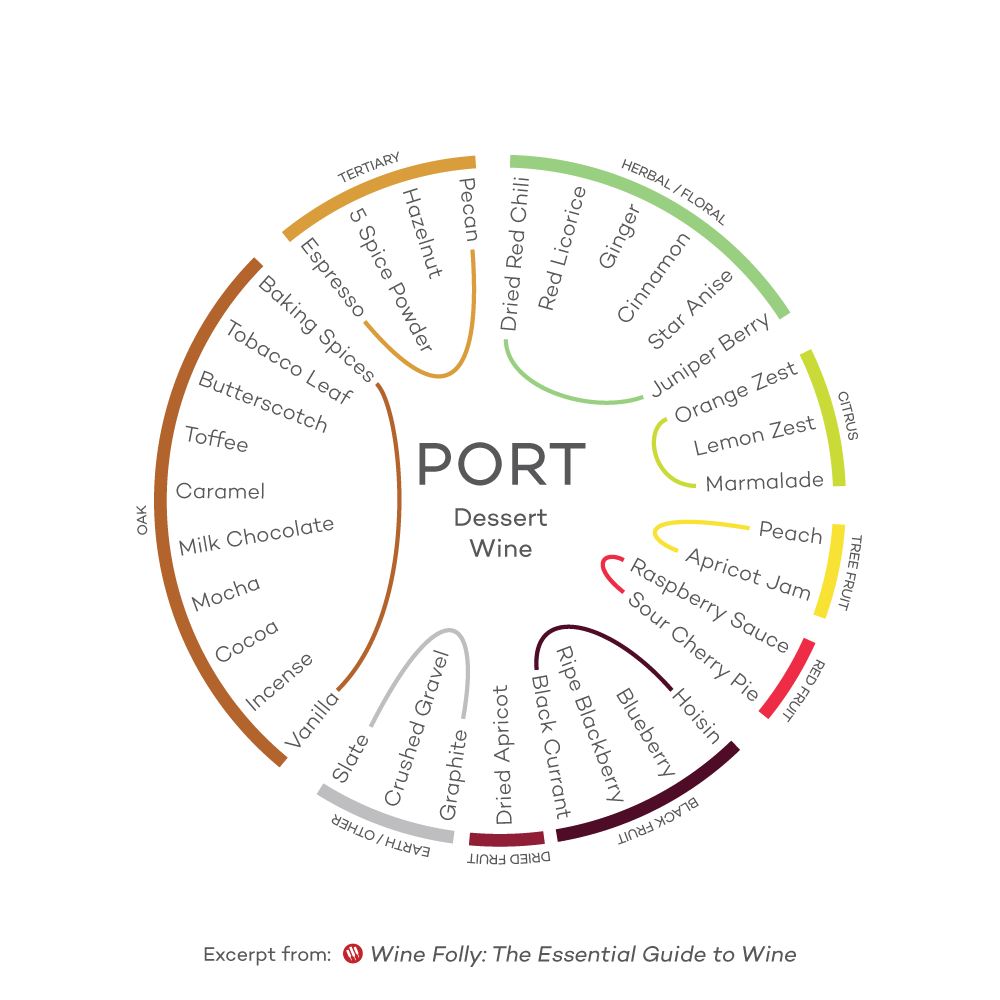
In the 19th century, sweet wines dominated the fine wine market. In fact, several of the most celebrated wines in the world, from Sauternes in Bordeaux to Essencia from Hungary, are practically as thick as maple syrup. Dessert wines range from moderately sweet to intensely sweet and are among the boldest, most intensely flavored (and aromatic) wines in the world.
What to Try
There are many different types of dessert wines to explore however, if you can start with a Port or a Sauternais-style wine (a botrytized sweet wine), you’ll have a great preview of what dessert wines can offer.
Your Homework
Now it’s time to taste a wine from each of the styles above. Start at a good local wine shop. These shops tend to be curated, and retailers often take the time to help you find the wines you’ll like (and what you’re looking for). As you get into it, you’ll quickly hone in on your favorite style.
Happy drinking and salut!