

The Central Coast is an encompassing American Viticultural Area (AVA) that extends from the San Francisco Bay Area to Santa Barbara County.
The region contains around 40 AVAs, including Paso Robles, Santa Cruz Mountains, Monterey, and Santa Barbara. Each of these subregions specializes in different types and expressions of wine. While the Central Coast may not have the same recognition as Napa Valley, it does happen to produce some of California’s most intriguing, up-and-coming wines.
To explore each region, its top-performing varieties, and what makes each area unique, we’ll take you on a virtual driving tour through the Central Coast’s wine scene.
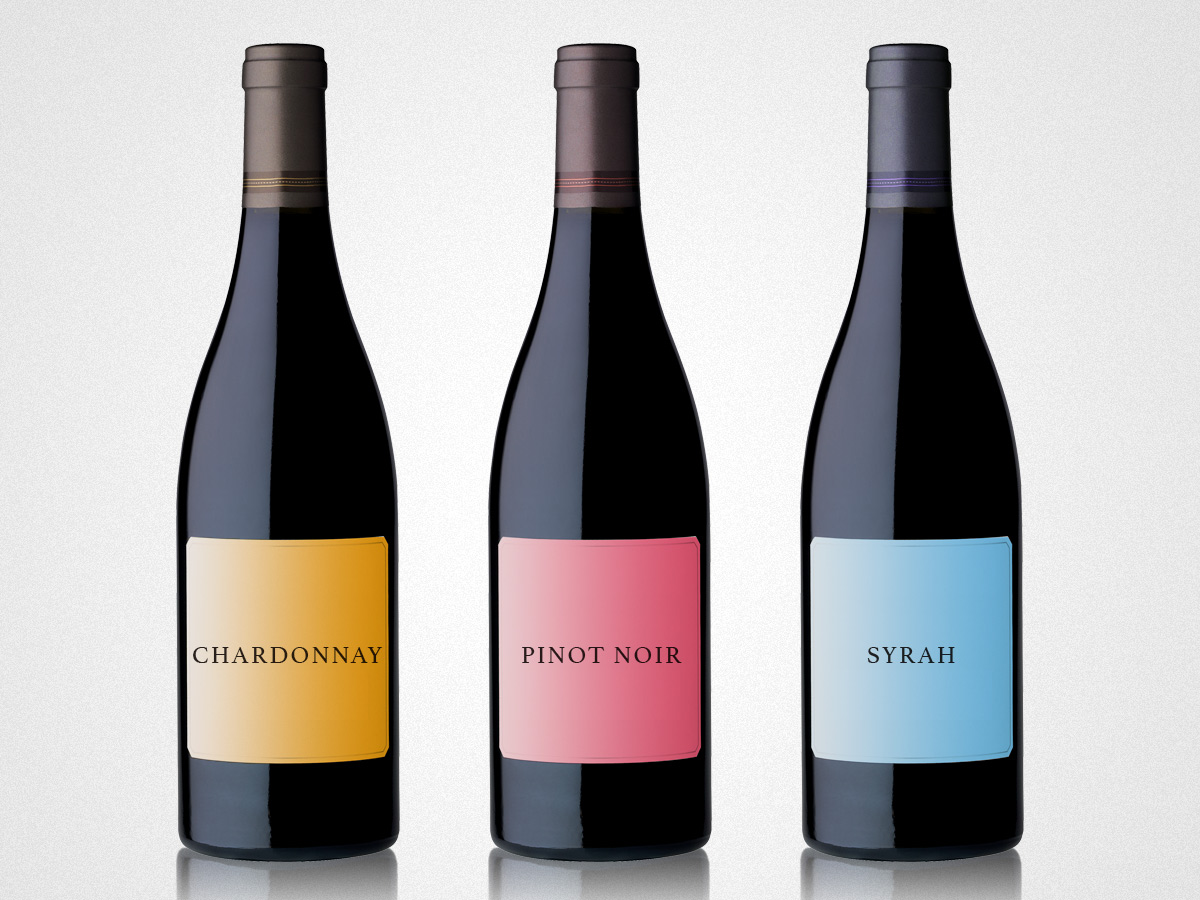
Central Coast Wine: The Varieties, Regions, and More
Which Wines to Seek Out From the Central Coast
This answer depends on the climate where the grapes grow, as each subregion has its own terroir. That said, the Central Coast as a whole is most famous for its Chardonnay, Pinot Noir, and Syrah wines. So, if you just want to taste the highlights, this is a good place to start.
Central Coast Wine Map

Overall, the Central Coast has approximately 100,000 acres (40,500 hectares) of vineyards. Currently, the variety with the most plantings is Chardonnay.
Most vineyards are in valleys that open up to the Pacific. The benefit of being along the coast is that cold, moist air pulls in, creating a layer of morning cloud cover that reduces temperatures and sun exposure on the grapes. This is why cool-climate varieties such as Chardonnay and Pinot Noir excel in the coastal regions of the Central Coast AVA.
Notable Cool and Coastal AVAs
- Santa Cruz Mountains: The mountains to the west of Silicon Valley were originally planted with vines by French immigrants in the early 1900s. The upper slopes and western side are known for Pinot Noir. The more inland areas produce elegant examples of Zinfandel, Merlot, Cabernet, and Syrah.
- Sta. Rita Hills: This region was featured in the blockbuster flick Sideways. Perhaps because of the press (partly because of the quality), it has become one of the most famous Pinot Noir and Chardonnay regions on the West Coast.
- San Luis Obispo: Edna Valley and Arroyo Grande Valley are the two AVAs in the SLO Coast area that produce outstanding, rich Chardonnay and Pinot Noir wines.
- San Benito: An intermediate climate area with a vein of limestone soils that’s become known for Pinot Noir (look up Calera). There is also potential for elegant styles of Sangiovese, Merlot, Zinfandel, and Cabernet Franc.
- Monterey: A larger encompassing region with many large-scale vineyard farms producing a great deal of the bulk Chardonnay and Merlot that we see labeled “Central Coast” in grocery stores. Still, within Monterey AVA, there are several great subregions, including Santa Lucia Highlands, Chalone, and Arroyo Seco.
- Santa Maria Valley: Home to California’s largest connected vineyard, Bien Nacido, which has 900 acres (364 hectares) in Santa Maria Valley. The region is more intermediate in terms of climate and gets praise for its lusher styles of Pinot Noir, Chardonnay, and Syrah.
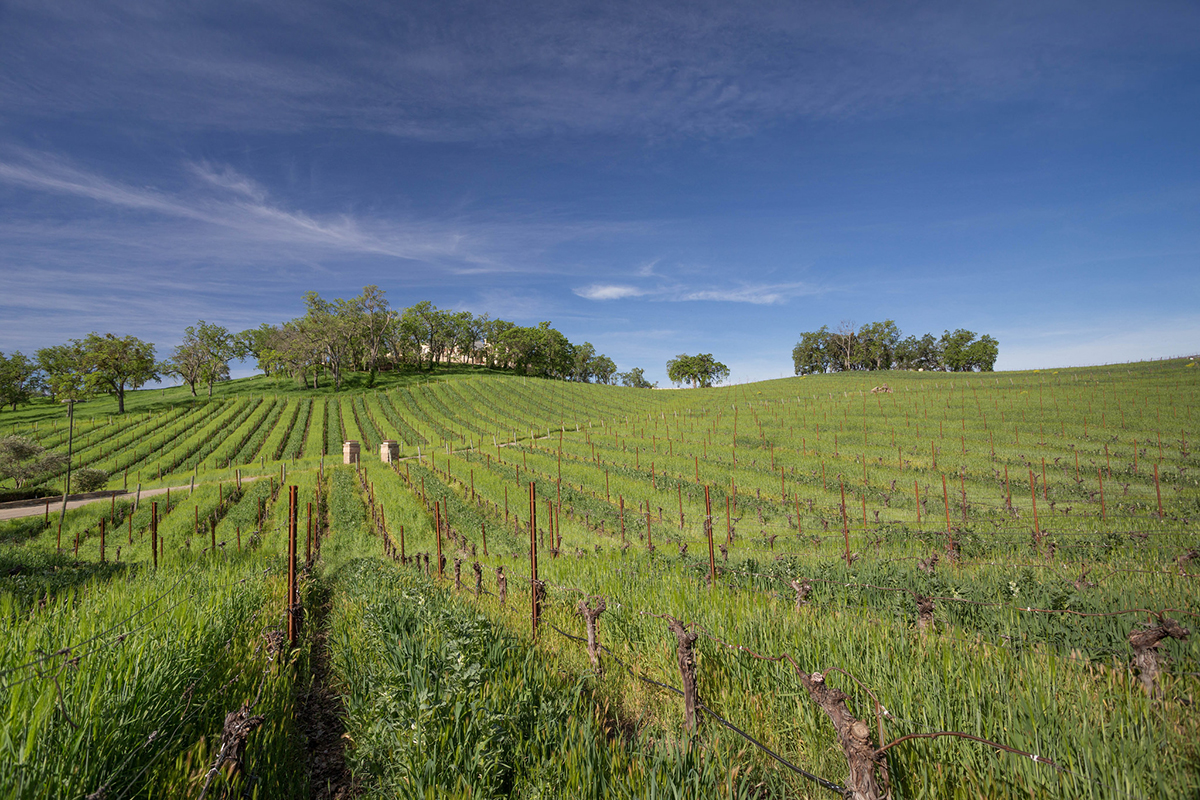
Where there isn’t morning cloud cover, the wine scene is very different. The inland regions and ridges receive ample sunshine and a long, hot, dry growing season. As a result, you’ll see a prevalence of warm-to-hot-climate grapes excel here, including Syrah, Grenache, Mourvèdre, Cabernet Sauvignon, and Zinfandel.
Notable Warmer and Inland AVAs
- Paso Robles: One of the most exciting regions for Syrah and other Rhône varieties on the West Coast. The area also produces many pocketbook-friendly Cabernet Sauvignon.
- Santa Ynez Valley: Moving inland from Sta. Rita Hills, it gets noticeably hotter. You’ll find a focus on Cabernet Sauvignon, Cabernet Franc, Merlot, and Syrah.
- Ballard Canyon: Notable for being slightly cooler than the Santa Ynez Valley because of significant diurnal shifts. Ballard Canyon focuses on Syrah and other Rhône varieties, including Grenache, Viognier, and Roussanne.
- Hames and San Antonio Valleys: The inner-most regions of Monterey contain some of the largest bulk wine production farms and wineries. There is potential here, given the limestone soils, but the quality will need to start in the vineyards.