

Late harvest wines come from grapes left on the vine longer, allowing them to ripen further and concentrate their sugars and flavors. Depending on the grape, climate, and winemaking, that can mean anything from lightly sweet and zippy to rich and dessert-worthy.
Technically, any wine grape can be harvested late, but some varieties handle the extra hang time particularly well. Riesling, Vidal Blanc, Muscat, and others can turn those extra weeks on the vine into seriously delicious wine.
Ready to embrace your sweet tooth? Here are four late-harvest grapes and styles worth hunting down.

Late Harvest Wines
Serving Late Harvest Wines
Serve most late-harvest wines chilled, around 45–55°F (7–13°C), in 2.5–3 oz. (75–90 mL) pours. A small dessert wine glass works well, but a regular white wine glass will do the job, too. The smaller pour isn’t punishment. These wines pack plenty of flavor into every sip.
Riesling
Riesling is practically built for late harvest. Its naturally high acidity helps balance all that concentrated sweetness. Cool climates are especially good at preserving Riesling’s acidity as the grapes ripen late into the season. Look to Germany, Alsace, New Zealand, and Washington State.
- Tasting Notes: Aromas of apricot, honey, candied lemon, ginger, and jasmine. Expect sweet, juicy fruit balanced by Riesling’s trademark zingy acidity, with lemony flavors lingering on the finish.
- Pairing Recommendation: Try a late harvest Riesling with lemon cream pie or lemon pound cake.
In Germany, Spätlese means “late harvest” and sits within the Prädikatswein classification. These wines can be dry, off-dry, or sweet, so don’t assume Spätlese automatically means dessert wine. For seriously sweet Riesling, look for Beerenauslese, a rarer style made from individually selected, very ripe grapes. It’s often sold in half bottles because a little goes a long way.
In Alsace, France, look for Vendanges Tardives, the region’s late-harvest style made from Riesling, Muscat, Pinot Gris, or Gewürztraminer.
In the United States, New York and Washington State both produce excellent late-harvest Rieslings. New York’s Finger Lakes are particularly worth a look if you like sweet wines with plenty of acidity.
Vidal Blanc
Vidal Blanc is an interspecific hybrid, meaning its family tree includes both European and American grape varieties. In other words: this grape is a mutt. The result of this crossing is a very cold-hardy white grape that makes stupendous late harvest wines. Vidal Blanc can make excellent late-harvest wines, but also makes it a favorite for icewine production in colder regions.
- Tasting Notes: Intense aromas of dried pear, vanilla, beeswax, and orange marmalade. Wines taste rich and concentrated, exhibiting crisp flavors of orange peel on the finish.
- Pairing Recommendation: Try late harvest Vidal Blanc with apricot macaroons or a nutty cheese, such as Comté.
In Canada, cold winters can provide the deep freeze needed for true icewine. Producers leave the grapes on the vine until they naturally freeze, concentrating the sugars and flavors. Inniskillin, based in Ontario, is one of Canada’s best-known icewine producers.
In New York and several states in the northeast, you’ll find excellent examples of late harvest Vidal Blanc coming from small producers.
Sauternais
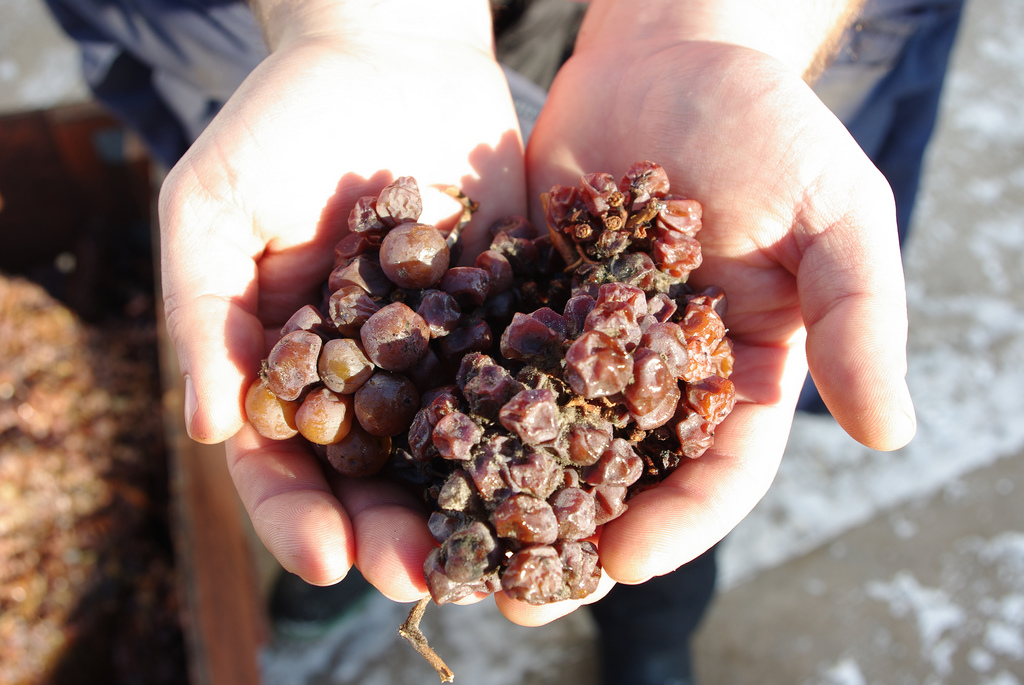
Sauternais refers to the sweet wines of Bordeaux‘s Sauternais region, including Sauternes. They’re primarily made from Sémillon and Sauvignon Blanc, with Muscadelle also permitted. Sauternes has a secret weapon: the Ciron River. Where its cool waters meet the warmer Garonne, morning fog encourages the growth of Botrytis cinerea, aka noble rot. The grapes may look like they’re ready for the compost bin. They’re actually headed for some of the world’s most famous sweet wines. The fungus dehydrates the grapes, concentrating their sugars, acids, and flavor compounds.
- Tasting Notes: Lemon curd, honey, pineapple, and almonds.
- Pairing Recommendation: Try Sauternes with vanilla pot de crème, foie gras, a washed-rind cheese, or a soft, nutty cheese such as Muenster.
Muscat
Muscat isn’t one grape. It’s a sprawling family of varieties known for intensely floral, grapey aromas. The aromas from a Muscat variety (red or white) are unmistakable and highly perfumed. Among its many styles, you’ll find rich, sweet wines made from late-harvested or dried Muscat grapes around the world.
- Tasting Notes: Mandarin orange, orange blossoms, roses, apricots, and nuts.
- Pairing Recommendation: Try a late harvest Muscat with almond biscotti.
In Italy, Vin Santo is traditionally made by drying grapes before fermentation. The concentrated juice ferments slowly and the wine then spends years aging in small barrels.
In the United States, Orange Muscat is a fun one to hunt down if you like your wine unapologetically aromatic. Expect big orange, citrus, and floral notes.
In Greece, on the small island of Samos, Muscat ranges from dry to sweet, with floral aromas and a distinctive mineral edge.
In Australia, Rutherglen Muscat is a rich, sweet fortified wine made from very ripe Muscat grapes. The style ranges from youthful Rutherglen Muscat to the intensely concentrated Rare classification.