

The wine regions of Greece are defined more by climate and geography than borders. From the volcanic, windswept vineyards of Santorini to the cooler northern zones of Macedonia, growing conditions shift dramatically across the country, shaping style in a direct and visible way.
The very first thing to understand is that Greece is much more diverse in its climates than most people realize. This guide groups the wine regions of Greece into four broad climatic zones to simplify that complexity. The goal is to show how temperature, elevation, and proximity to the sea influence wine style — from structured reds to saline-driven island whites — using geography as the starting point for understanding what’s in the glass.

Greece has many regions, but they can all essentially be divided into four primary climatic zones:
- Northern Greece – Wet: Epirus, Macedonia and Thrace
- Aegean Islands – Arid: Mediterranean Islands (Santorini, Samos, Límnos, etc.)
- Central Greece – Modulating Mediterranean: Central Greece, Thessaly, and Attica
- Southern Greece – Stable Mediterranean: Crete, Peloponnese, and Kefalonia
The Wine Regions of Greece
Northern Greece
- Includes: Epirus, Macedonia, and Thrace
- White Grapes: Lots of Malagousia and Assyrtiko, often blended with Sauvignon Blanc or Chardonnay
- Red Grapes: Mostly Xinomavro with a little bit of Merlot, Limnio, Cabernet Sauvignon, and Syrah
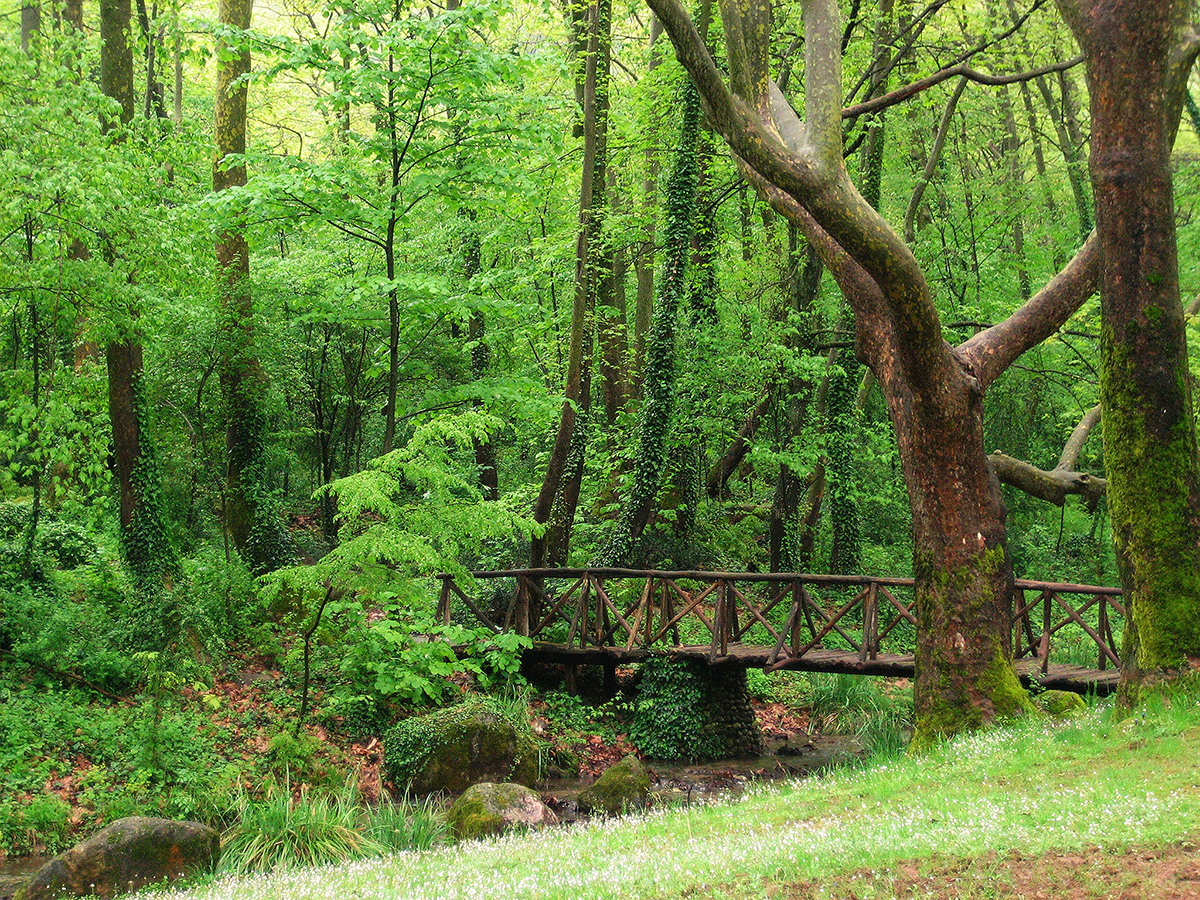
Northern Greece leans continental, with cold winters, strong winds, and snowfall in the mountains. This cooler climate shapes wines with structure and freshness. In Epirus, high-altitude sites produce crisp, floral whites like Debina. Further east in Macedonia, Xinomavro dominates, delivering firm tannins, bright acidity, and long aging potential.
Xinomavro is often compared to Nebbiolo for its high tannin, bright acidity, and ageability. In Naoussa and Amyndeo, it shows red cherry, dried herbs, spice, and a faint tomato-like savoury edge. Limestone and clay-rich soils add structure and intensity, making it one of Greece’s most cellar-worthy reds.
Malagousia produces aromatic whites with peach, citrus blossom, lime, and soft floral notes. The style sits between Viognier and Chardonnay in weight, but with brighter aromatics and a fresher finish.
The other grapes of Northern Greece, including Assyrtiko and Roditis, are often blended with Sauvignon Blanc, Chardonnay, or Malagousia to produce rich, somewhat smoky white wines with gooseberry, starfruit, and melon flavors. These are delicious options to accompany fish.
Other imported grapes, including Merlot and Syrah, are often blended in varying portions with the Greek native vines to make them more familiar to a growing international following.
Aegean Islands
- Includes: Samos, Santorini, Límnos, and others
- White Grapes: Assyrtiko (Santorini), Muscat Blanc (Samos), Athiri, Malvasia (called Monemvasia)
- Red Grapes: Limnio (Límnos), Mandilaria (Paros), Mavrotragano
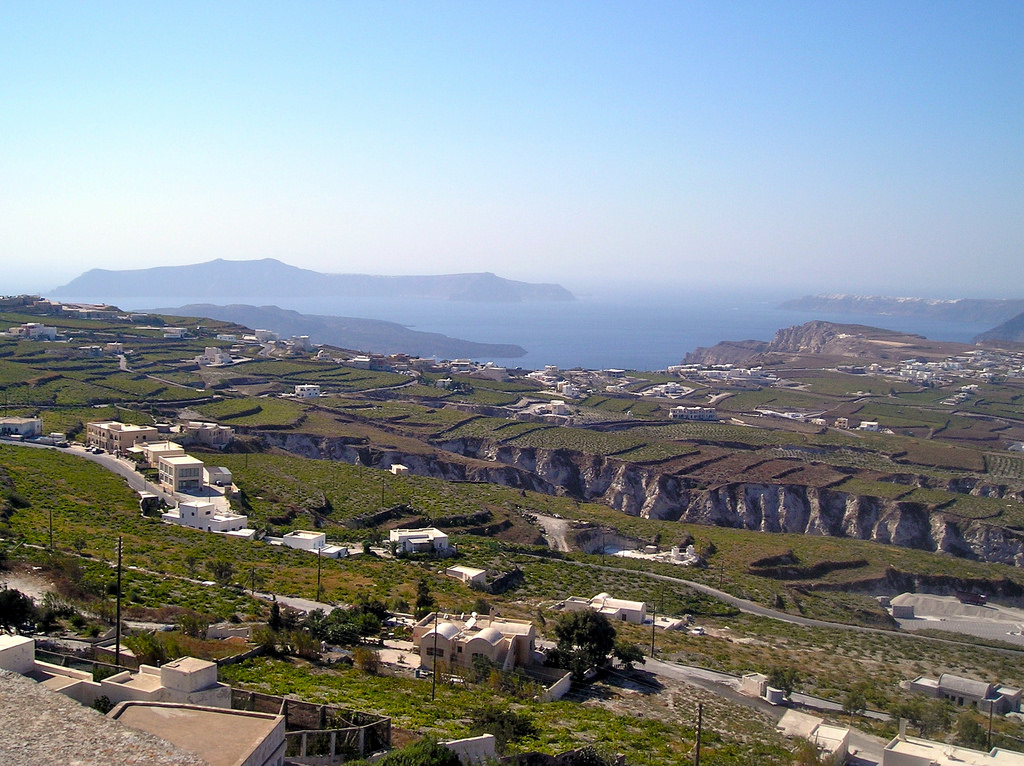
The Aegean Islands produce some of Greece’s most distinctive wines, shaped by intense sun, wind, and low rainfall. Coastal vineyards focus on freshness and salinity rather than weight. Santorini is the best-known example, but islands like Samos, Limnos, and Paros each express different variations of the same maritime influence.
Santorini is a volcanic island with extremely low rainfall and limited freshwater. These conditions shape its signature grape, Assyrtiko, which produces wines with high acidity, citrus intensity, and a distinct saline edge. Some styles add oak, bringing notes of lemon cream, baked fruit, and spice. Traditional sun-dried Vinsanto shows raisin, apricot, and cherry character with concentrated sweetness and firm acidity.
Samos is one of the historic strongholds of Muscat Blanc production. The island produces a range of styles, from dry aromatic wines to rich sweet versions. Expect notes of orange blossom, lychee, and citrus peel in dry wines, while sweet styles shift toward marmalade, honey, and dried fruit. A traditional Vin Doux style blends intensity with lifted aromatics and long, perfumed finishes.
Limnos is home to Limnio, one of Greece’s most ancient red grape varieties. It produces medium-bodied wines with red cherry, dried herbs, and subtle earthiness. The grape is also used in mainland blends, where it adds freshness and aromatic lift alongside international varieties.

Central Greece
- Includes: Central Greece, Attica, and Thessaly
- White Grapes: Savatiano, Malagousia, Assyrtiko, Athiri, Begleri, and Chardonnay
- Red Grapes: Xinomavro, Agiorgitiko, Krasato, Stavroto, Limniona, Vradiano, Cabernet Sauvignon, Merlot, and Syrah
Central Greece spans a wide range of elevations and climates, from dry lowlands near Athens to cooler mountain vineyards inland. Higher-altitude sites produce fresher, more structured wines, while warmer southern areas favour softer, riper styles. This variation makes the region one of Greece’s most diverse in terms of grape expression.
Northern Central Greece focuses on structured red wines from high-altitude vineyards. In Rapsani, vines grow above 500 metres on schist soils. Xinomavro leads the blend alongside Krasato and Stavroto, producing wines with red cherry, spice, fennel, and firm, slow-building tannins. The style is structured and savoury, built for food and ageing.
As you move south into the hotter and more arid wine regions of Greece, there is more white wine. Savatiano is Greece’s most widely planted white grape, long associated with simple, mass-produced wines. In recent years, quality-focused producers have changed that perception. Well-made examples show green melon, apple, and citrus with fresh acidity. Oak-aged styles add lemon curd, wax, and soft creaminess, with more structure and depth.
Fortunately, producers are starting to take Savatiano and Retsina seriously. When made well, Savatiano offers flavors of sweet honeydew, green apple, and lime with tingling acidity, akin to Chablis. When oak-aged, Savatiano delivers more lemon curd, wax, and cultured cream with lemon bread notes and a creamy mid-palate structure and finish similar to Burgundy.
The red wines from the south, made from Xinomavro and international grapes, tend to offer more stewed fruit, although the regional Vradiano seems to excel here with tasty ripe strawberry, black pepper, and hibiscus notes, contrasted with mouth-drying, choppy tannins. Paired with braised Greek meats, Vradiano is all too easy to drink.
Southern Greece
- Includes: Crete, Peloponnese, Kefalonia
- White Grapes: Moschofilero, Muscat Blanc, Robola (Kefalonia), Vidiano (Crete), and Roditis
- Red Grapes: Agiorgitiko (Peloponnese), Mavrodaphne (Kefalonia + Peloponnese), Kotsifali (Crete), Liatiko (Crete), Mandilaria (Crete), Syrah, Cabernet Sauvignon
Southern Greece has a hot Mediterranean climate and strong sun exposure. These conditions favor ripe fruit, aromatic whites, and plush red styles. In Peloponnese, grapes like Agiorgitiko produce generous reds with red fruit, spice, and soft tannins.
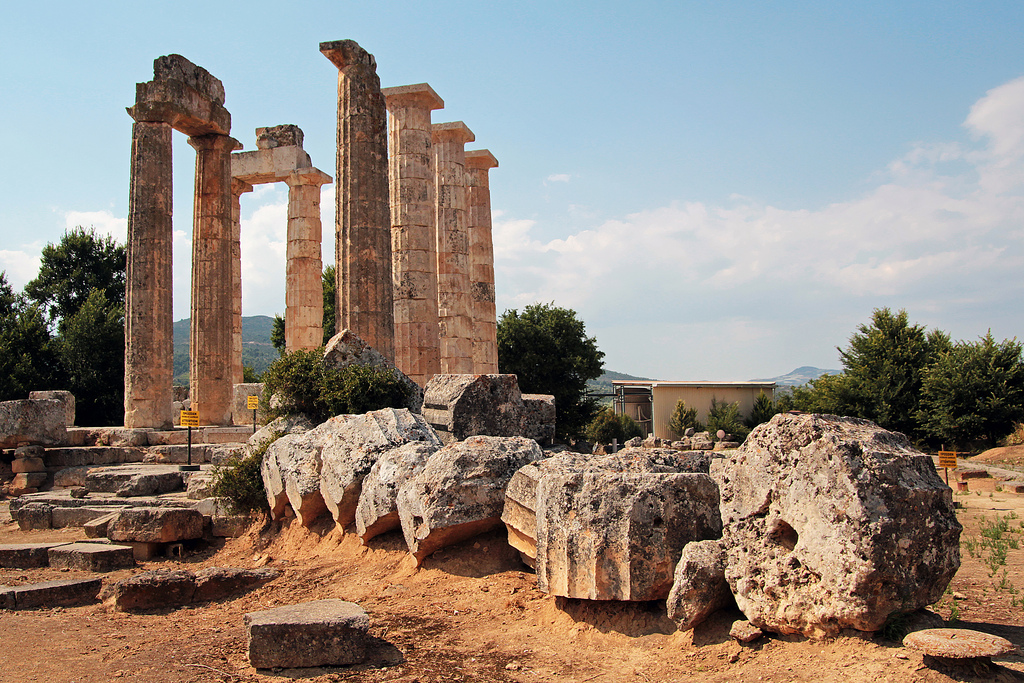
Agiorgitiko is well known from Nemea, a region in the Peloponnese. The red wines are fuller-bodied, with flavors of sweet raspberry, black currant, and plum sauce, along with nutmeg, subtle bitter herbs (somewhat like oregano), and smooth tannins. The wines are generous and fruity, similar in style to Merlot, but with slightly more spice. The rosé wines made with Agiorgitiko have wonderful spiced raspberry notes and a brilliant deep pink color.
In Mantineia in the central Peloponnese, Moschofilero produces highly aromatic white wines. Expect rose, peach, citrus, and floral notes with bright acidity and a light body. With time, wines develop subtle stone fruit and nutty complexity.
The northern Peloponnese and Kefalonia produce sweet wines from Mavrodaphne, known for rich dried-fruit and spice character. Today, the region increasingly focuses on fresh white wines.
Roditis produces lighter styles with citrus, melon, and saline notes. Robola, grown mainly on Kefalonia, has more structure, showing lemon, stone fruit, and a distinct mineral edge. Both pair well with simple seafood from the grill and fried dishes.
Crete is one of Greece’s warmest wine regions, producing ripe, expressive styles.
Vidiano is the leading white grape, showing melon, pear, and soft apple with a round, textured palate. Kotsifali and Mandilaria are often blended, producing reds with red and black fruit, spice, and moderate tannins.
Liatiko stands apart, offering lighter, aromatic reds with cherry, rose, and spice notes. It is sometimes used for sun-dried sweet wines with concentrated fruit and firm acidity.
Eat The Food, Drink The Wine
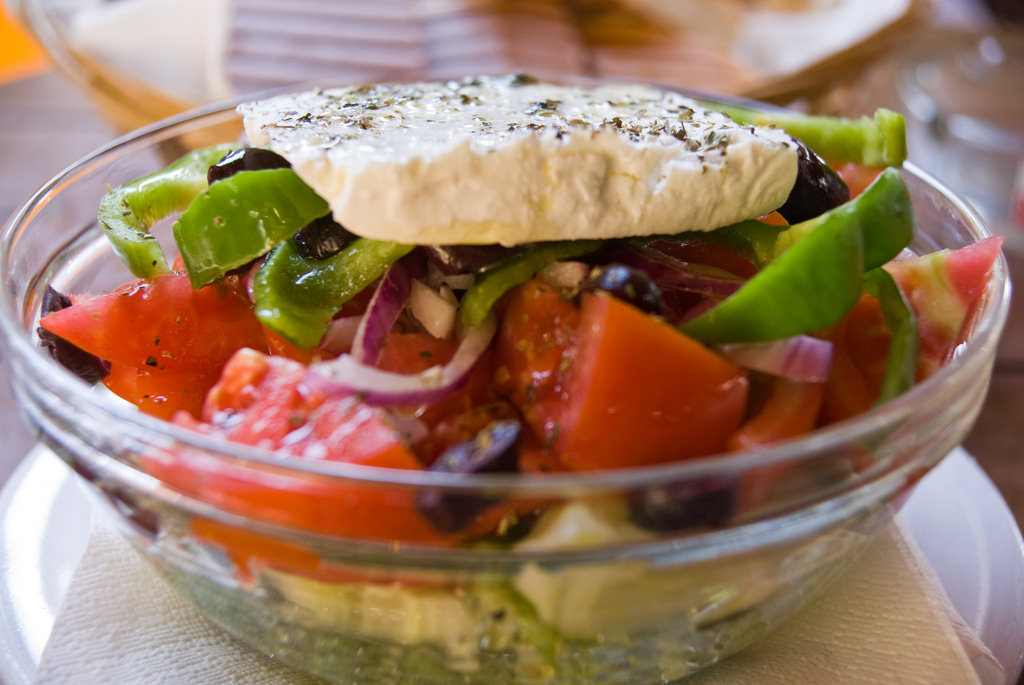
The wine regions of Greece are best understood through their relationship with food and geography. High-acid whites, herbal aromatics, and structured reds are built for local cuisine and regional ingredients. The diversity of native grape varieties reflects the country’s varied climates, from island wind to mountain elevation. Together, they form one of Europe’s most distinctive and underexplored wine landscapes.