

Prosecco wines are Italy’s most popular sparkling wines. While it’s often compared to Champagne, it’s made with different grapes and a different winemaking method.
Prosecco can be affordable, but it’s hardly one-note. Today, producers are putting more emphasis on vineyard sites, hillside farming, and the differences between Prosecco’s growing areas. Learn how to choose Prosecco, spot the differences between styles, pair it with food, and understand why the hills of Conegliano Valdobbiadene matter.
Guide: Explore the delicious world of Prosecco Superiore in the Conegliano Valdobbiadene Wine Region Guide.
“There’s more to Prosecco than affordable bubbles.”
What Is Prosecco?
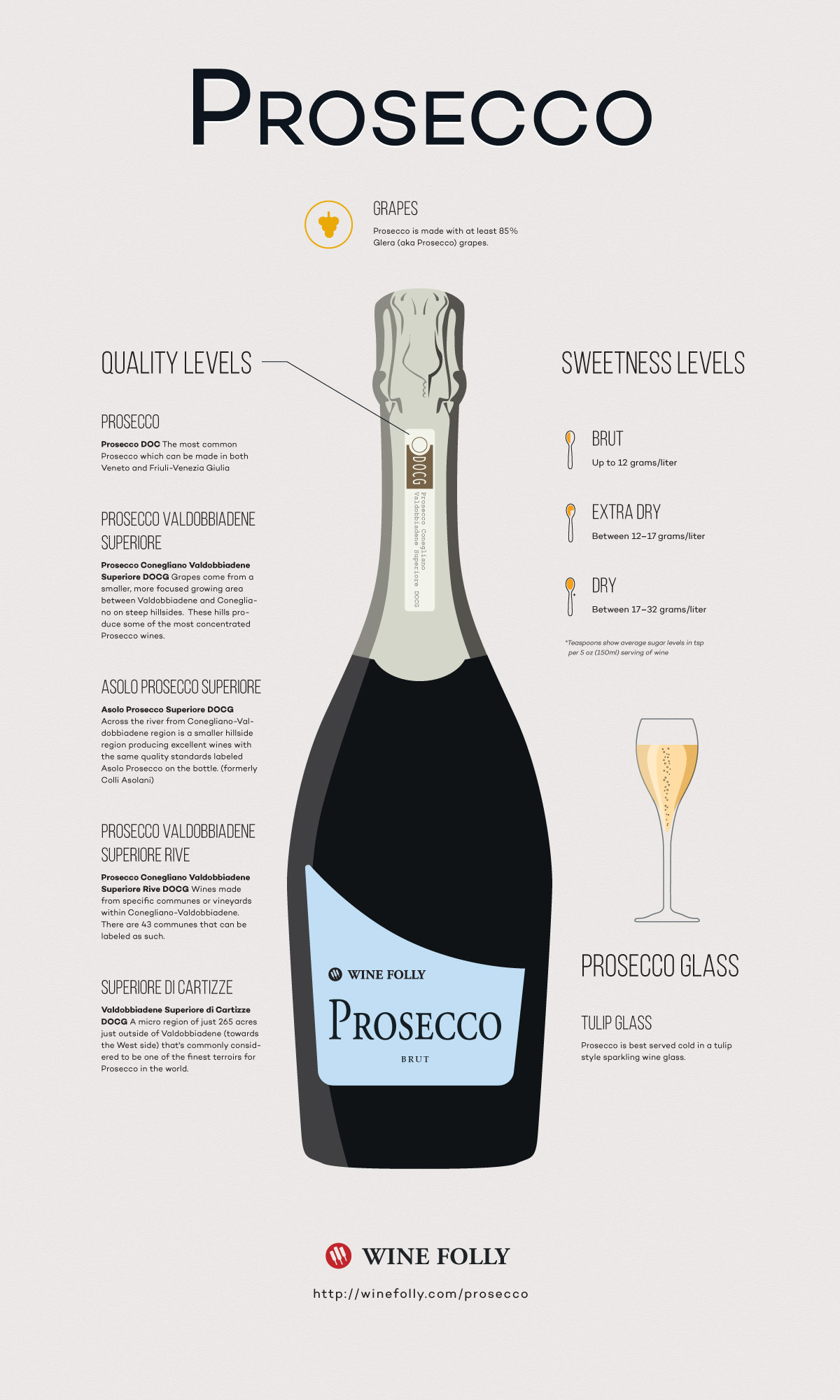
Prosecco comes from northeastern Italy, where its production spans parts of Veneto and Friuli-Venezia Giulia. Its most prestigious expressions come from the hills of Conegliano Valdobbiadene and Asolo.
Prosecco is made primarily from the Glera grape, but where the grapes are grown (and the rules governing how the wine is made) can make a big difference in the bottle. Prosecco is typically vinified using the Charmat method, in which the wine undergoes its second fermentation in a pressurized tank and gives wines approximately 3 atmospheres of pressure.
The result is a sparkling wine with lively bubbles, but generally less pressure than Champagne.
Since 2020, Prosecco Rosé has also joined the family. Made with Glera and 10–15% Pinot Noir, this pink sparkler must undergo at least 60 days of secondary fermentation, giving it additional time to develop texture and complexity.
COMPARE Get more info on Champagne vs. Prosecco.
Prosecco Taste (Is It Sweet or Dry?)
Prosecco ranges from bone-dry to noticeably sweet, but Brut is the style you’ll encounter most often. Even when the wine is technically dry, Glera’s flavors of green apple, pear, honeydew, and honeysuckle can make Prosecco taste fruitier and sweeter than its sugar level suggests. Here is how Prosecco labels indicate sweetness:
- Brut 0–12 g/L RS (residual sugar) – Up to a half gram of sugar per glass
- Extra Dry 12–17 g/L RS – Just over half a gram of sugar per glass
- Dry 17–32 g/L RS – Up to one gram of sugar per glass
By the way, if you haven’t had an Extra Dry Prosecco yet, this style offers a great balance between Prosecco’s fruit, tingly acidity, and subtle sweetness.

How to Serve Prosecco Wine
Prosecco should be served cold (38–45 °F / 3–7 °C). Most will agree that a tulip-shaped sparkling wine glass is best for serving Prosecco. It’s tall and slender, which helps preserve the bubbles’ finesse for longer. For more aromatic, complex bottles, try a white wine glass instead. The wider bowl gives the wine more room to open up.

The Perfect Mimosa Wine
If you love brunch, Prosecco is our favorite pick for a mimosa. The fruitiness in this wine amplifies the citrus flavors of the orange juice, and it pairs well with brunch-style foods. By the way, a great mimosa is two parts sparkling wine and one part juice.
Pairing Food With Prosecco
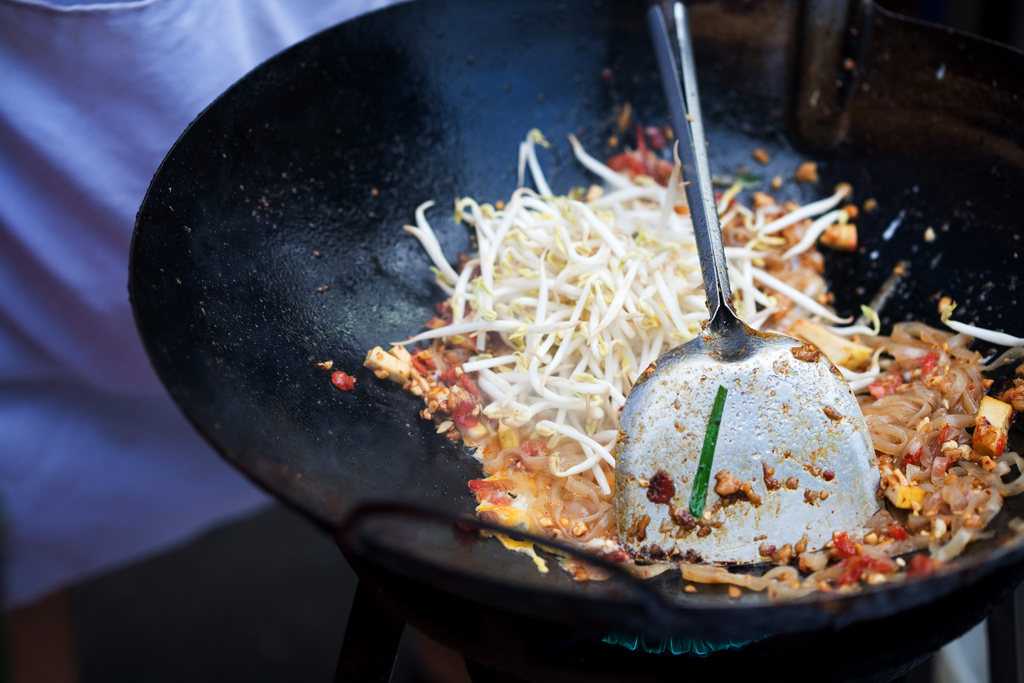
Prosecco is a natural match for everything from salty snacks to spicy noodles and fried foods. It’s a wine you can serve as an aperitif (before food), but also works well alongside the main course.
Prosecco’s bubbles and acidity make it especially good at refreshing your palate between bites. Pair it with salty, fried, spicy, or simply prepared foods. Due to its sweet aromatics and bubbles, Prosecco pairs well with spicy curries and Southeast Asian cuisine, including Thai, Vietnamese, Hong Kong, and Singaporean dishes. Prosecco also pairs well with salty, oily, or fried dishes, such as fritto misto, arancini, and tempura, as well as with Italian cured meats like prosciutto di San Daniele and sopressa.

Tips On Finding High-Quality Prosecco Wine

- Prosecco DOC: The broadest Prosecco appellation, spanning nine provinces across Veneto and Friuli-Venezia Giulia.
- Conegliano Valdobbiadene Prosecco Superiore DOCG: A hillside appellation covering 15 communes between Conegliano and Valdobbiadene. Its steep vineyards, varied exposures, and distinct microclimates can give the wines more site-specific character.
- Asolo Prosecco Superiore DOCG: Across the river from the Conegliano-Valdobbiadene region, you can find another smaller hillside region that produces excellent wines with high-quality standards. These wines carry the designation Asolo Prosecco Superiore DOCG on the label (formerly Colli Asolani).
- Prosecco Conegliano Valdobbiadene Superiore Rive DOCG: The site-specific tier of the denomination. Rive wines come from 43 designated areas, generally on steep hillsides, with lower yields, hand-harvested grapes, and the vintage shown on the label.
- Superiore di Cartizze DOCG: A tiny 107-hectare subzone in the steep hills around San Pietro di Barbozza, Santo Stefano, and Saccol. It sits at the top of Conegliano Valdobbiadene’s quality pyramid and is known for rich, aromatic wines.
DID YOU KNOW? Col Fondo refers to a traditional bottle-refermented style also known as Sui Lieviti, meaning “on the lees.”
Where Prosecco Wine Is Made
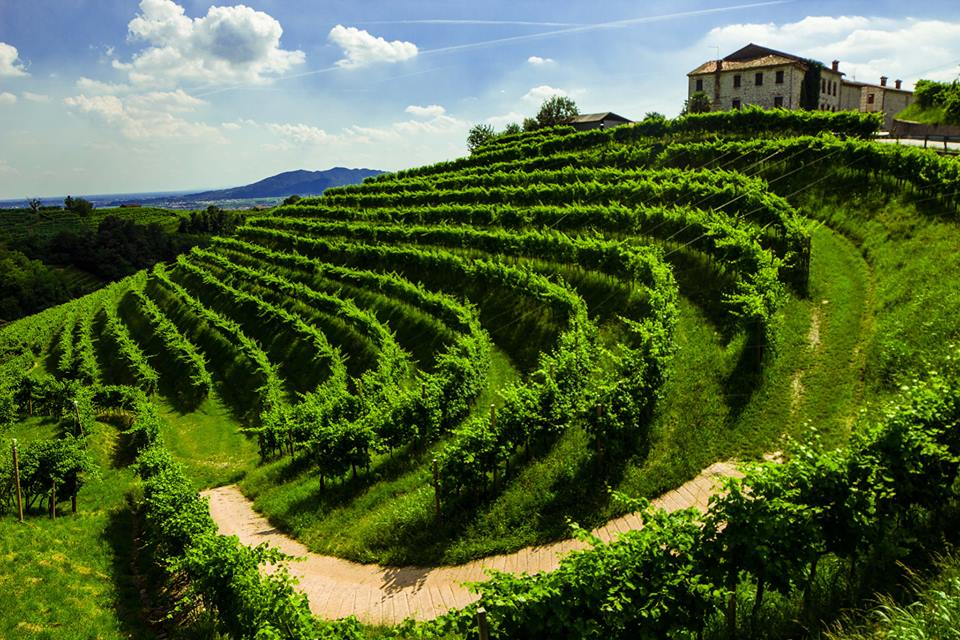
The Conegliano Valdobbiadene hills are steep, green, and densely planted with vineyards. Rainfall is relatively high, so vineyard placement matters. South-facing slopes capture more sunlight, while steep terrain and good airflow help manage moisture. Prosecco has been documented in the Conegliano Valdobbiadene area for more than 250 years, with the first written connection between the wine and the region dating to 1772.
In 2019, the vineyard landscape of Conegliano Valdobbiadene was designated a UNESCO World Heritage cultural landscape, drawing global attention to the area’s cultural and historical significance and making it a hotspot for wine tourism.
Climate change is adding another challenge: earlier harvests and warmer growing seasons can make it harder for growers to preserve the acidity that gives Prosecco its freshness. Growers are also experimenting with more sustainable farming practices, an especially important consideration on the denomination’s steep, erosion-prone hillsides.
Want to earn your Prosecco? One of the region’s highlights is the fun-and-challenging Gran Fondo Prosecco cycling race, which weaves up through the hills. Anyone can participate, and you can celebrate your ride with a glass of local wine.