

Biodynamic wine is a holistic approach to viticulture that goes beyond organic farming, focusing on vineyard ecology, natural cycles, and soil health. In this guide, we explore how biodynamic wines are made, what sets them apart, and how they taste.
A Guide To Biodynamic Wine
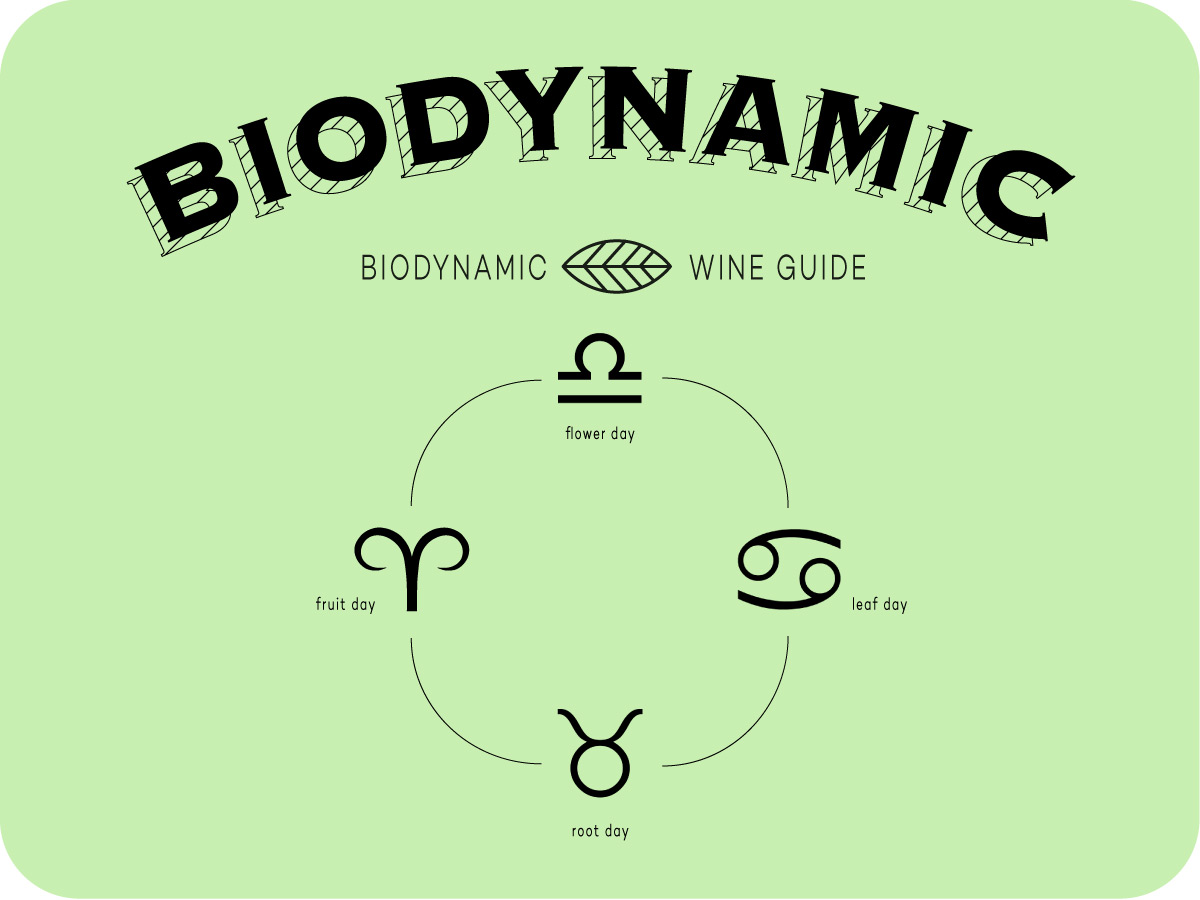
Critics sometimes view biodynamics as unconventional, while proponents see it as a pathway to wines that express the vineyard’s unique terroir. Are biodynamic wines really about celestial energy, cow horns, and howling at the moon? To quote Mike Benziger, whose vineyards were the first to be certified biodynamic in Sonoma County, CA:
What Does Biodynamic Mean?
Biodynamics views vineyards as integrated ecosystems, influenced by soil, climate, plants, and — according to its philosophy — celestial cycles. Vineyard managers apply this framework to plan planting, pruning, and harvest, aiming to harmonize the vine, the land, and seasonal rhythms. Essentially, biodynamics is a holistic view of agriculture.
Biodynamic Agriculture is Almost a Century Old
In the 1920s, Rudolf Steiner introduced biodynamics, proposing a holistic approach to agriculture that emphasizes ecological balance, soil health, and natural rhythms. This early movement predates modern organic certifications by roughly two decades and laid the foundation for sustainable viticulture practices still in use today.
If you think about it, there’s not really anything ‘new’ behind the theory of biodynamics. Humans have looked to the sky for guidance since ancient Greek and Egyptian civilizations, and all the way to the trusty ‘Farmer’s Almanac’, the Bible of traditional American farming.
What Makes Wine Biodynamic?

Biodynamics occur primarily in the vineyard before winemaking even happens. All the various tasks, from planting and pruning to harvesting, are regulated by a special biodynamic calendar. The calendar was originally devised by the ‘high priestess’ of biodynamics, Maria Thun, who divided days into four categories: Root, Fruit, Flower, and Leaf Days.
Each biodynamic calendar day coincides with one of the four classical elements of Earth, Fire, Air, and Water that have been used since before Plato’s era:
- Fruit Days: Best days for harvesting grapes
- Root Days: Ideal days for pruning
- Flower Days: Leave the vineyard alone on these days
- Leaf Days: Ideal days for watering plants
You would never, for example, want to harvest on a Leaf Day because Leaf Days correlate with the water element, which practitioners believe may produce less optimal fruit.
Biodynamic winemaking generally limits the use of synthetic chemicals and additives. Certified producers follow strict guidelines, using natural composts, controlling fermentation methods, and carefully selecting interventions to support vineyard and wine health.
This is where things start to get controversial.
How to Find Biodynamic Wines
To be labeled certified biodynamic, wines must be approved by one of two governing bodies:
- Demeter International provides a resource of their Demeter Biodynamic Wines (Access the list by selecting “Processed Product” —> “Wine”)
- Biodyvin certifies only 100 European wineries. Biodyvin Biodynamic Wines
Do Biodynamic Wines Taste Different?
Biodynamic wines do not inherently taste different from other high-quality wines. Some producers emphasize certain secondary flavors, like yeast or fermentation notes. However, the overall profile is more influenced by grape variety, terroir, and winemaking style. Notable biodynamic producers include Benziger Family Winery, Bonterra Vineyards, and Michel Chapoutier.
You can find biodynamic wines worldwide. Those who believe in the philosophy think that the wines are more characteristic of the ‘terroir’ where they originate. The wines are often described as balanced and age equally as long as ‘standard’ wines.
Biodynamic Composting Is Bizarre

Some biodynamic practices, such as composting with cow horns, may be controversial for those avoiding animal products. Biodynamic viticulture requires special compost preparations that are stuffed into cow horns and buried in the soil. Later, the cow horns are dug up and reused, and the ’stuffing’ is distributed throughout the vineyard.

Many believe the practice of biodynamic composting is pseudoscience. Regardless, the historical precedent perhaps explains why cow horns are used: the animal’s horn symbolizes abundance. For example, some folklore attributes water drunk from a horn to life-enhancing properties.
There are nine compost preparations used in biodynamic farming, which include everything from manure and cow horns to yarrow blossoms (mentioned in Homer’s Iliad for treating wounds), chamomile (a natural antiseptic), and stinging nettles (a natural cleanser). In the end, there is no serious evidence on whether cow horns are a truly necessary component of what is ultimately a dedicated organic gardening process.

Drink Wine on ‘Fruit Days’
You can actually extend the idea of biodynamics into your own drinking. Schedule your serious wine tastings on either flower days or fruit days.